
Social exclusion
This is a time of loss and loneliness for many people, and for the LGBT+ community, the coronavirus pandemic continues to be just one of many threats.
Inequalities that already existed have ramped up for the most marginalised LGBT+ people, including LGBT+ people of colour, trans people and people living in poverty.
Kate (she/her) shared her experience as a disabled and chronically ill LGBT+ person.
How has your life been impacted by COVID-19?
I am disabled, chronically ill and long-term housebound. At the beginning of the lockdown, my ME flared and I have been bedbound since then.
I am a 33-year-old adult, living with my parents. I am extremely socially isolated and cut off from friends and queer community. This was the case before the lockdown (and has been for several years now), but it has felt even more intense during the pandemic. This has negatively affected my mental health and self-esteem. I feel very lonely.
My friendships have also been affected by the COVID-19 pandemic. While I'm worried about all of the above, some of my able-bodied friends have travelled abroad on holiday, have not adhered to the government guidelines and are complaining about how difficult it has been for them to socially distance and stay at home. I understand this isn't easy on anyone, but I've been housebound and socially isolated for years.
Have you faced barriers or challenges accessing support?
Because of COVID-19, it was unsafe for me to attend the health centre for a blood test and to drop off samples requested by hospital specialists. I have also faced sexism and biphobia in healthcare settings. In hospital, I ought to be safe and respected, not objectified and placed in a horrific heteronormative predatory narrative.
I am a disabled bisexual. I am chronically ill and long-term housebound (even without the pandemic). This means that I am cut off from queer community and have not had the opportunity to make queer friends and connections. There are no services for queers in my position, who are not older. I am 33.
The COVID-19 pandemic has exacerbated my feelings of loneliness and isolation. I have been in touch with a number of LGBTQ organisations to ask for help and advice. Repeatedly, I have encountered ableism and have been met with patronising and dismissive responses. It feels like nobody wants to have anything to do with me.
Futher information
Find out how to be a better ally to LGBT+ disabled people and discover 5 LGBT+ disability organisations you should support.
Content warning: conversion therapy.
New research, overseen by an independent research monitor, has revealed that gender diverse people – normally children or young adults - are severely harmed by so-called “conversion therapy”.
The ground-breaking study was conducted last year by a coalition of LGBT+ charities in conjunction with Richard Matousek, an independent research monitor, and shows that Gender Identity “Conversion Therapy” (GICT) is more widespread and often more violent than has previously been understood.
Many respondents reported going through conversion practices as children, in some cases when respondents were younger than 12. Whilst many of the respondents who went through GICT did so in a religious context, there were also historical reports of some NHS providers recommending certain conversion practices.
The research involved 450 respondents who stated that their gender identity did not match the sex assigned to them at birth. This included 170 respondents who identified as non- binary. In total 64 people had been offered Gender Identity “Conversion Therapy” and 39 had undergone it. Of those, nearly half had been forced through it.
This research shows the devastating impact of so-called “conversion therapy” on gender diverse people.
Jayne Ozanne, who was responsible for forming the coalition, explained: “This research shows the devastating impact of so-called “conversion therapy” on gender diverse people, and the harm that they have so often been forced to endure. We are particularly concerned about the role that religion has found to have played, both in terms of motivating an individual to pursue to and also in terms of those practising it. It is critical that any future government legislation gives clear protections to gender diverse people.”
The UK Government must not leave these people out in the cold.
Commenting on the results, Eloise Stonborough, Associate Director of Policy and Research at Stonewall said: “The survey findings are eye-opening and heart-breaking. Those who had gone through Gender Identity Conversion Therapy experienced a range of harmful practices, including isolation, forced feeding, beatings, and sexual violence. This is happening to both children and adults, with over half being under-18 at the time they underwent so-called ‘conversion therapy’. The UK Government must not leave these people out in the cold. We urge them to make good on their commitment to ban conversion therapy and ensure no more gender diverse people have to go through such damaging, demeaning and degrading practices.”
Richard Matousek volunteered as an Independent Research Monitor for the project and provided a framework for the results to be analysed. Commenting on the findings he said: “This report presents ground-breaking data on the effects of Gender Identity Conversion Therapy (GICT) in the UK. The data (which should be approached as qualitative and demonstrative rather than as statistically robust quantitative data) give important, rich insights into what some gender diverse people have been suffering up to now.”
The research is consistent with the government’s own 2018 LGBT Survey, which found that “trans respondents were much more likely to have undergone or been offered conversion therapy (13%) than cisgender respondents (7%)”. The Secretary of State, Rt Hon Liz Truss, has promised that the UK government will bring forward legislation for a ban on “conversion therapy” shortly.
Together we can put an end to conversion practices. Donate today and help us secure a legislative ban on this damaging practice.
The Scottish Parliament election is fast approaching and it’s crucial that LGBT+ people and their allies are counted.
Make your voice heard and ask your candidates to advocate for these five areas of LGBT+ equality.
We’re asking candidates to pledge their support for five key areas of LGBT+ equality. By making your voice heard, you can help us make sure that as many MSPs as possible in the next Scottish Parliament are committed to LGBT+ equality.
We’ve also worked with partners across the movement to publish a full manifesto which sets out our priorities for progressing and protecting equality.
1. Gender Identity Services
Unacceptably long waiting lists for trans people accessing gender identity services was a problem before the pandemic, with waits often taking two years for a first appointment. Since then, the situation has become even more critical. Some clinics now forecast 35-40 month waits.
Mason (they/them) is a cultural worker in Glasgow. They told us about losing access to their gender clinic during the pandemic. They said:
‘The redirection of efforts to combat the health crisis has left under-funded parts of NHS services even less able to cope with ongoing stresses of patient demands, and I am certain that the closure and postponement of services such as the gender clinic has contributed to additional and unnecessary pain, anxiety and poor health in my community.’
We know that the period of waiting for a first appointment is a time when trans people are more likely to experience high levels of distress, self-harm, and suicidal ideation. Scotland must take urgent action to address the waiting list crisis and the harm it causes to trans communities. We’re asking for reforms to NHS gender identity services, so they are fit for purpose and meet the needs of trans people, and for these services to be properly funded.
2. LGBT+ Rights
Whilst progress has been made for LGBT+ rights, Scotland has work to do.
We know that trans communities have fought long and hard to achieve the recognition, respect and rights that continue to be threatened. The unfinished business of Gender Recognition Act (GRA) reform must be taken forward in Scotland, so that all trans people are able to access Gender Recognition Certificates without intrusive, and drawn-out processes.
Conversion therapy also continues to cause pain and trauma to LGBT+ communities in Scotland. We are calling on candidates to commit to a full, legislative ban so that all LGBT+ people are protected from this abusive practice.
3. LGBT+ Mental Health
Evidence shows that LGBT+ people are more likely to experience poor mental health than the rest of the population. Yet, unfortunately, LGBT+ people do not always feel safe accessing support due to homophobia, biphobia, and transphobia in mental health services.
We’re calling on candidates to help tackle LGBT+ mental health inequalities and wider inequalities in access to health and social care services.
4. LGBT+ Inclusive Education
Scotland has pioneered incredible work on LGBT+ inclusion in schools, but it’s crucial that the implementation of the suite of recommendations on LGBT inclusive education continues, and is fully delivered with the funding it requires.
Effective implementation is vital for LGBT+ generations of the future to be safe and supported. That’s why we’re calling on candidates to support LGBTI young people to flourish in schools through backing the continued implementation of inclusive education.
5. Standing up for all LGBT+ people
We know that the experiences and outcomes of LGBT+ people across the community are not equal. For example, LGBT+ people of colour, disabled people and trans people often face poorer outcomes than the rest of the community. In taking action to improve LGBT+ equality, the specific barriers facing LGBT+ people across our diverse communities must be addressed.
We’re asking candidates to pledge that they will stand up for all LGBTI people, including the most marginalised – LGBTI people of colour, refugees, disabled people, older people, and trans people.
Use your vote and your voice to lift up the key issues for LGBT+ people, including those most marginalised and underserved, you can be part of putting LGBT+ equality on the agenda.
Content warning: discrimination, mentions of death and abuse.
Today is IDAHOBIT, or International Day Against Homophobia, Biphobia and Transphobia.
Founded in 2004, this aims to raise awareness of violence and discrimination against LGBTQ+ people to drive positive change, and is now celebrated in more than 130 countries around the world.
IDAHOBIT reminds us that there is still a long way to go until all LGBTQ+ people are free and safe from harm. Here are some reasons why it is still needed in 2021, and ways you can help:
1. Poland
In Poland, anti-LGBTQ+ rhetoric has become widespread in recent years, stoked by President Andrzej Duda, who recently stated that LGBTQ+ people are an ideology ‘even more destructive’ than communism and pledged to ban the propagation of this ‘ideology’ in public institutions.
More than 80 local governments in Poland have declared themselves ‘LGBT-free zones’
More than 80 local governments in Poland have declared themselves ‘LGBT-free zones’, pledging intolerance of LGBTQ+ people and banning LGBTQ+ events.
This government campaign fuels hatred and fear of LGBTQ+ people amongst Poland’s wider population: in a 2019 survey, when asked what they thought was the biggest threat facing them, the most popular response amongst Polish men under 40 was ‘the LGBTQ+ movement and gender ideology’.
How to help: You can donate to support the work of the Polish charity KPH (Campaign Against Homophobia), which works nationwide to advocate for LGBT people and distributes funding to smaller grassroots organisations.
2. Brazil
Brazil’s President Jair Bolsonaro has attacked what he calls ‘gender ideology’, has openly stated that he would rather his son die than be gay, and has advocated physical abuse of LGBT children.
Brazil has been ranked the deadliest country for trans people.
Brazil has been ranked the deadliest country for trans people, with 175 trans women murdered in 2020 alone. Indianare Siqueira, a trans woman activist and politician in Rio de Janeiro, told Stonewall that ‘trans people in Brazil live in a context of total abandonment by a society that attacks and kills us’.
During Bolsonaro’s 2018 election campaign, two trans women were killed in attacks where attackers used Bolsonaro’s name. With more elections next year, campaigners are concerned that this violence will intensify further.
How to help: CasaNem, Grupo Arco-íris, and Pela Vidda are all grassroots organisations working on the ground with trans people in Brazil, and all are currently accepting donations.
3. Hungary
Hungary’s far-right ruling party Fidesz has signalled its intention to change the constitution to defend so-called ‘Christian values’. They recently banned the legal recognition of trans people and LGBT people from becoming parents.
How to help: There are numerous Hungarian organisations working to support LGBTQ+ people, such as the Hungarian LGBT Alliance, Háttér Society, and Transvanilla Transgender Association, all of which welcome donations and support.
4. Chechnya
Since 2017, at least 100 men have been targeted and detained by police on suspicion of being queer, and three have been killed. Chechnya’s leader, Ramzan Kadyrov, has been described as waging a “blood-cleansing operation” to eliminate all LGBT people’, and has been defiant in the face of international condemnation, claiming that there are no LGBT people in Chechnya.
While queer men have been the primary targets of these ‘gay purges’, queer women are also subject to coercion and abuse from families and in healthcare settings, such as in the government-linked Boyev’s Clinic, which provides ‘psychiatric treatment to those rendered unfit to the Chechen society’. Data is not available for non-binary people, but it is likely they would also experience intolerance and abuse.
How to help: You can donate to support the work of the Russian LGBT network, which has successfully evacuated over 100 LGBT people from Chechnya through its Rapid Response programme.
5. UK
It is easy to see homophobia, biphobia and transphobia as something that happens ‘elsewhere’ but IDAHOBIT prompts us to look closer to home, too.
Transphobia is so prevalent in the UK that in 2017 a trans woman was granted residency in New Zealand because of the persecution she suffered here.
Transphobic hate crimes have quadrupled in the last five years.
Transphobic hate crimes have quadrupled in the last five years, with 4 out of 5 trans people experiencing a transphobic hate crime, and 1 in 4 experiencing physical assault or the threat of physical assault. Some UK media outlets frequently carry articles by anti-trans hate groups that are active in seeking to undermine trans people’s rights.
The number of homophobic attacks is also increasing, with data suggesting that these have risen by 22% in London in the space of one year.
One of the women subject to a homophobic attack on a London bus in 2019 linked her attack to an ‘open season on the bodies of… people of colour, indigenous people, transgender people, disabled people, queer people, poor people, women and migrants’, and called on people to ‘stand up for yourselves and each other’.
How to help: You can support Stonewall’s work fighting for LGBTQ+ acceptance, by donating or signing up for our newsletter.
This year we’re also amplifying the voices of LGBTQ+ people in the UK and internationally in partnership with TikTok: visit our channel to view and share.
This International Day Against Homophobia, Biphobia, and Transphobia (IDAHOBIT) we reflect on the historical and continued criminalisation of and discrimination against LGBTQ+ people around the world.
Despite hard-won successes, there still remains an overwhelming need to increase awareness and galvanise action amidst rising hate crimes, and a concerted and global legislative pushback against LGBTQ+ rights. Here are just some documentaries that illuminate the varied struggles, experiences, and perseverance of LGBTQ+ people across the globe, past and present.
1. Welcome to Chechnya (2020)
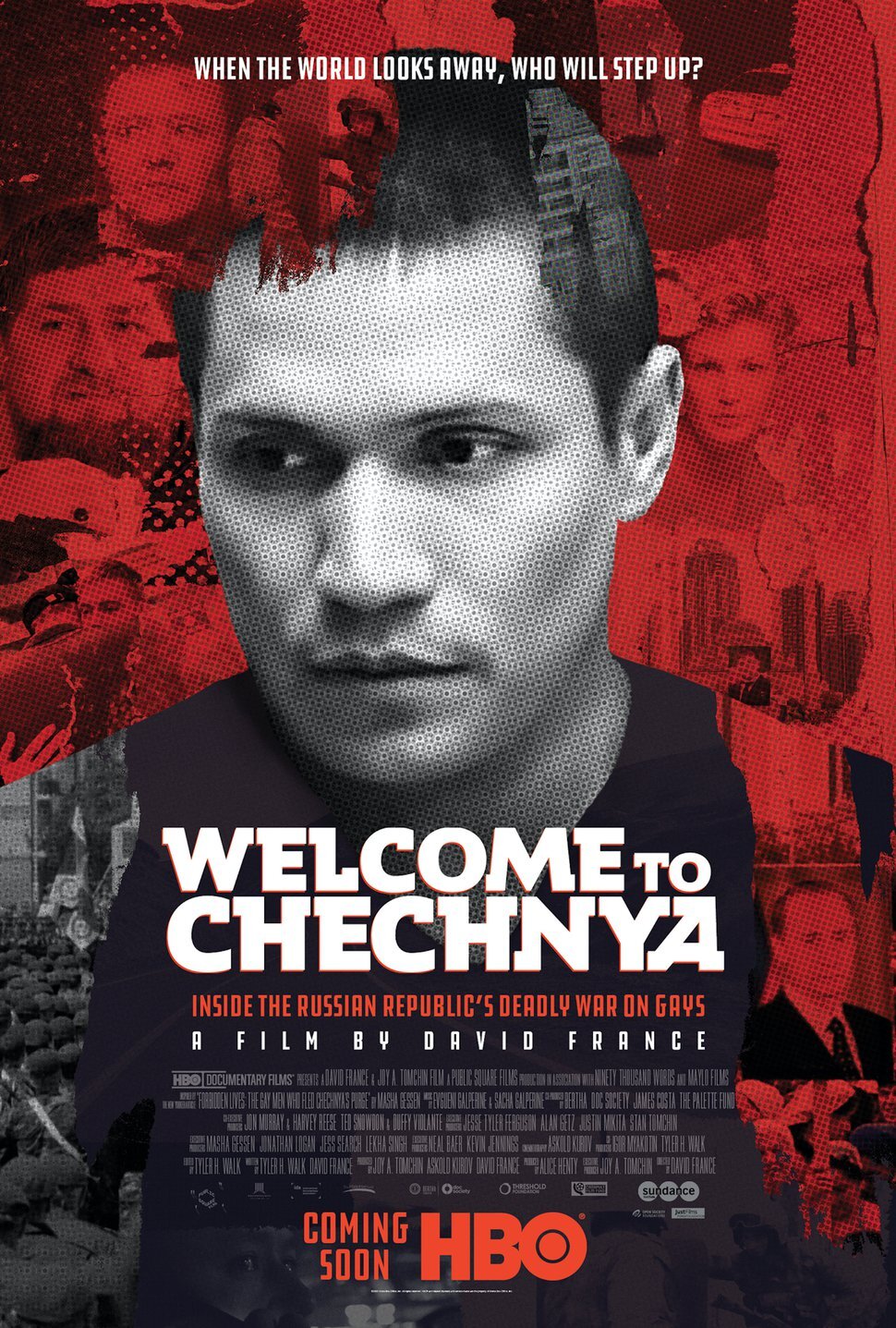
This heartbreaking and vital look into the spiralling wave of homophobic violence and anti-gay purges spreading through Chechnya as of the late 2010s. It follows LGBTQ+ Chechen refugees - mostly anonymised for their own safety - using hidden cameras as they fled out of Russia through a network of safehouses aided by activists and good samaritans.
2. Portrait of Jason (1967)
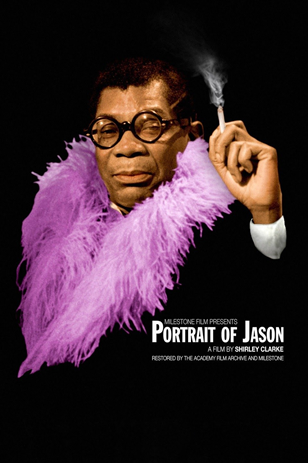
In this candid and spirited documentary interview - incendiary even by today's standards - aspiring cabaret performer and self proclaimed 'hustler' Jason Holliday waxes and reflects on the art, life and trials of 60s America, from his point of view of a Black, gay man.
3.Olly Alexander: Growing up Gay (2020)
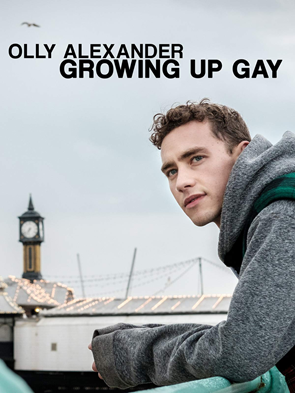
Years and Years leading man, queer pop icon and friend of Stonewall, Olly Allexander, explores the mental health issues faced by members of the LGBTQ+ community, as well as his own relationship to his identity.
4. Defiance: Voices of a New Generation (2020)
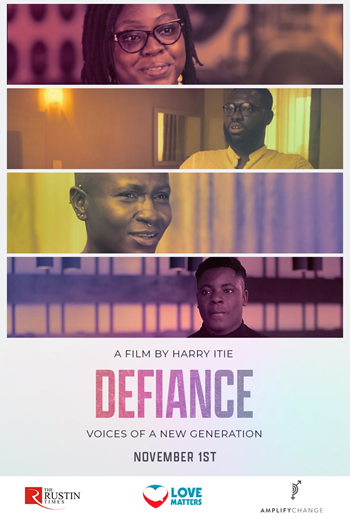
These compelling stories from Nigeria's LGBTQ+ community are set against the backdrop of their struggle against enduring colonial-era homophobia, renewed and bolstered by a contemporary wave of religious and social conservatism that has seen LGBTQ+ people in Nigeria fall victim to an onslaught of legislative and literal violence. In a society where existence and community is criminalised, their bold activism and visibility is undoubtedly an act of defiance.
5. Paris is Burning (1990)
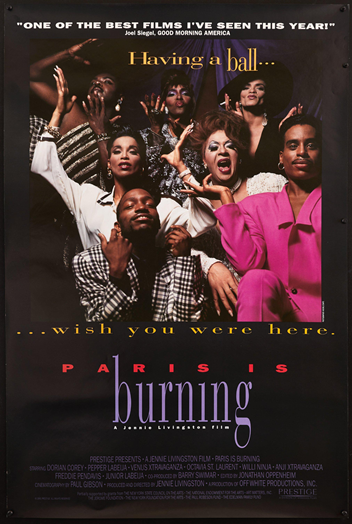
This landmark documentary, exploring the fire, fervour, and cultural innovation of the 80s New York Ballroom scene, a predominantly QTIPOC and working class community, as told through the enduring eyes of some of its most charismatic and glittering figures.
Its cult following and impact on both LGBTQ+culture (RuPaul's Drag race springs to mind) and in wider media would turn subjects such as Octavia St Laurent into queer household names. But it's impact is a heavy contrast to the sad story of exploitation that underpinned its production and direction, with many of those who appeared on camera going on to face increasing deprivation and violence.
6. Free Cece (2016)
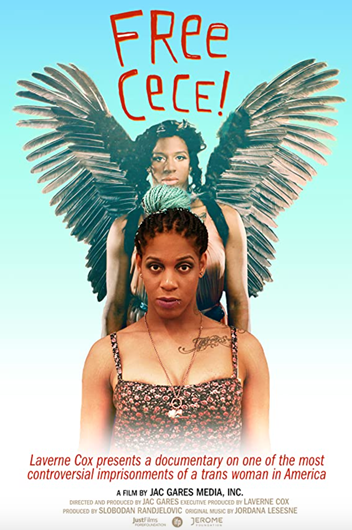
Produced by Black trans icon, actor and activist, Laverne Cox, 'Free Cece' follows the titular CeCe McDonald through her personal and the collective struggle against her unjust criminalisation and incarceration, following an act of self defence against a transphobic attack, and confronts the culture of violence surrounding trans women of color in America.
7. How To Survive A Plague (2012)
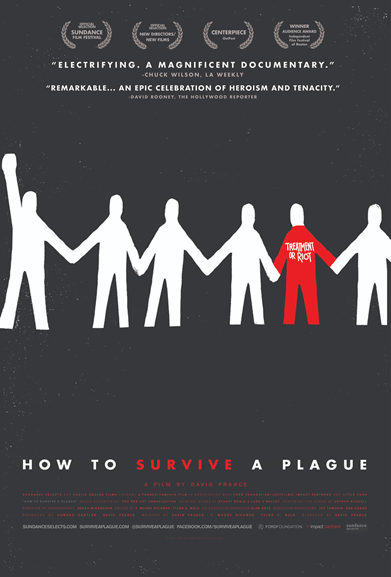
'How to Survive a Plague' is a moving documentary about the harrowing early years of the AIDS epidemic, and the efforts of activist groups ACT UP and TAG to resist an establishment that had abdicated all responsibility and duty of care to the LGBTQ+ community as it was decimated by the HIV/AIDS epidemic.
8. Are You Proud? (2019)
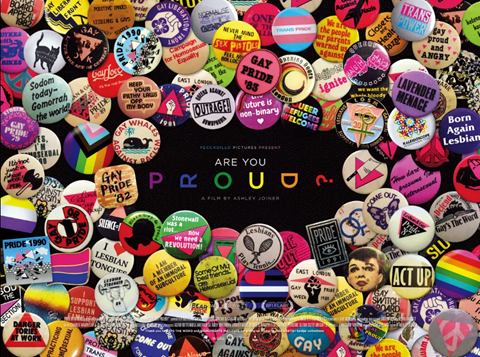
In this moving documentary from Ashley Joiner, rare archive footage and interviews across a spectrum of historical campaigns and current activists in the United Kingdom celebrate and contextualise the LGBTQ+ Pride movement's landmark achievements.
9. Tongues Untied (1989)
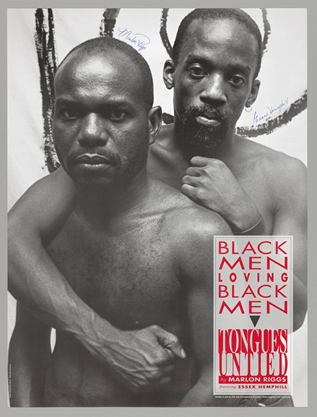
A seminal, influential and stunning work from filmmaker Marlon Riggs that aimed to give a voice and platform the the experiences, culture, intimacies and perspective of Black gay male communities, and in his own words, to "... shatter the nation's brutalizing silence on matters of sexual and racial difference." Featuring renowned 'poet-warrior', Essex Hemphill, 'Tongues Untied' is a must-see, unreplicated by any LGBTQ+ documentary work in the three decades since.
10. Disclosure (2020)

Described by the team behind it as "an unprecedented, eye-opening look at transgender depictions in film and television, revealing how Hollywood simultaneously reflects and manufactures our deepest anxieties about gender," 'Disclosure' provides a nuanced, analytical and accessible breakdown of trans representation in some of Hollywood’s most beloved moments and the off-screen real world repercussions of a failure to represent trans lives and stories authentically, accurately and without prejudice.
Presented via the opinions, reactions and perspectives of leading trans thinkers and creatives. Featuring Laverne Cox, Lilly Wachowski, Yance Ford, Mj Rodriguez, Jamie Clayton, Chaz Bono, and more.
Today we set out a new chapter for Stonewall as we launch our 2021-5 Strategy: Free to Be.
It’s almost a year since I took up the role of Chief Executive here at Stonewall. I’ve had so many rich and powerful conversations with people from across the LGBTQ+ movement, both here in the UK and among our many global partners, about what matters to our communities, what change is desperately needed and how Stonewall can be a great activist and partner in the movement.
I’ve reflected a lot on what we need to do and be at Stonewall to fight for – and build support for – our communities.
At the heart of it, we at Stonewall believe that LGBTQ+ people have limitless potential, and we imagine a world where all LGBTQ+ people of all identities experience not only equal opportunities, but equitable outcomes. Where our governments, communities, faith institutions and families don’t merely allow us to exist, but actively shield us from harm and help us thrive.
To create the world we imagine, our new strategy focuses on three pillars: Freedom, Equity and Potential. And the only way that we can make real progress is by working in partnership across the movement, in the UK and globally.
Over the coming four years you can expect to see us can expect to see us working on:
Freedom
- A legally enforceable ban on conversion therapy
- Laws that help prevent hate crimes and support LGBTQ+ asylum claims
- Legal recognition for LGBTQ+ people and our relationships
Equity
- Accessible and high-quality healthcare for all LGBTQ+ people
- Strengthening relationships with faith communities and communities of colour
- Supporting and represent LGBTQ+ people across our lives
Potential
- Expanding our workplace and empowerment programmes
- Championing LGBTQ+ inclusion in sport and schools
- Supporting Pride in all its forms
You might also notice that we look and sound a bit different. The wonderful and very clever Revolt (a purpose consultancy) and activist agency and Jones Knowles Ritchie (a design-led creative company) have helped us build a strong and clear message about who we are and what we stand for, alongside a fresh and confident new look. We have moved away from ‘Acceptance without Exception’ which no longer feels like the right focus for us. Today we stand for the freedom, equity and potential of all LGBTQ+ people.
We are so grateful to Revolt and Jones Knowles Ritchie for their generous support. And we are so grateful to the photographer Ally Schmaling, who has allowed us to use their beautiful portraits of LGBTQ+ people. We hope you love their work as much as we do.
So, now you know about the world that we imagine at Stonewall, I want to ask: do we imagine the same world?
If you can imagine a world where there is freedom, equity and limitless potential for every LGBTQ+ person, we want you to stand with us.
Whether you’ve supported us since 1989; you’re just coming out; you want to be a champion for your LGBTQ+ friends, relatives or colleagues; you’re concerned by the rise of anti-LGBTQ+ hate groups; you’ve felt overlooked by us in the past; you want to step up as a role model or leader – we can’t create the world we imagine, the world our communities deserve, without you. Join us.
What does non-binary refer to?
Non-binary is an umbrella term for people whose gender identity doesn’t sit comfortably with ‘man’ or ‘woman’. Non-binary identities are varied and can include people who identify with some aspects of binary identities, while others reject them entirely.
Non-binary people can feel that their gender identity and gender experience involves being both a man and a woman, or that it is fluid, in between, or completely outside of that binary.
Is non-binary the same as trans?
No. While the term trans generally encompasses people whose gender is not the same as, or does not sit comfortably with, the sex they were assigned at birth, some non-binary people don’t see themselves as trans. It’s always important to respect the language someone uses to define themselves.
Trans people may describe themselves using one or more of a wide variety of terms, including (but not limited to) transgender, transsexual, gender-queer (GQ), gender-fluid, non-binary, gender-variant, crossdresser, genderless, agender, nongender, third gender, bi-gender, trans man, trans woman, trans masculine, trans feminine and neutrois.
While non-binary and trans are not the same, there are some shared experiences and similar elements, one of which is the importance of allyship. Whether someone is non-binary, trans, or both, being a good ally means listening, using the correct language, and supporting people in how they choose to express themselves and identify.
Gender identity vs gender expression
In order to understand non-binary gender identities better, it’s vital to understand the difference between gender identity and gender expression.
Gender identity refers to a person’s clear sense of their own gender. This is not something which is governed by a person’s physical attributes. Gender expression is how you express yourself and just like everyone else, non-binary people have all sorts of ways to express themselves and their identity. They can present as masculine, feminine or in another way and this can change over time, but none of these expressions make their identity any less valid or worthy of respect.
What can I do to step up as an ally to trans and non-binary people?
There are many ways to be inclusive of everyone, regardless of their gender identity. Our language and the way we speak is often embedded with hidden gendered cues.
Once we start to notice them, we can move towards using language that’s inclusive for all. Here are 10 tips you can start using right away!
- Introduce yourself with your name and pronouns. Stating your pronouns reminds people that it might not always be immediately obvious what pronouns someone uses
- Put your pronouns in your email signature or social media profile
- Instead of addressing groups of people with binary language such as ‘ladies and gentlemen’, try more inclusive alternatives such as ‘folks’, ‘pals’ or ‘everyone’
- Use words that define the relationship instead of the relationship and gender. For example, use ‘parents’, ‘partner’, ‘children’ or ‘siblings’
- Not everyone is comfortable with gendered titles such as ‘Ms’ or ‘Mr’. Titles are not always necessary, but if they must be used it’s good to provide alternative ones such as ‘Mx’ (pronounced mix or mux)
- Use the singular ‘their’ instead of ‘his/her’ in letters and other forms of writing, i.e. ‘when a colleague finishes their work’ as opposed to ‘when a colleague finishes his/her work’
- Not everyone necessarily uses ‘he’ or ‘she’ pronouns, and it’s important to be respectful of people who use different pronouns. The most common gender-neutral pronoun is the singular ‘they’ (they/them/theirs). Using people’s correct pronouns shows that you respect them and who they are
- Using the pronoun ‘they’ is very useful when someone’s gender or identity is unknown. You will often already be using it without realising, i.e. ‘somebody left their hat, I wonder if they will come back to get it’
- Make sure that your workplace, school and college policies and documents use inclusive language, i.e. using ‘they’ instead of ‘he/she’ and avoiding sentences that imply two genders. Where specifically talking about gender identity, make sure it is inclusive of non-binary gender identities and not just trans men and trans women
- When highlighting LGBTQ+ people in your events or as role models, make sure you include some non-binary role models too
It may take a bit of getting used to, but it causes you no harm, and it will make that person feel acknowledged and valid.
Most of this article is an excerpt of one of our school resources “Celebrating difference and building belonging”, written in collaboration with Owl Fisher, a non-binary activist and film-maker.
Netflix’s new documentary Pray Away follows the actions of Exodus, a religious group who told LGBTQ+ members – and their families – that they could change who they were.
This important film follows survivors and former leaders of the group, many of whom have now renounced the ‘church’.
While it can be easy to think of conversion practices as something of the past, they can – and do – still happen to lesbian, gay, bi, trans, queer, intersex and ace people across the United Kingdom today.
So, what actually are conversion practices?
Conversion practices are any intervention that seeks to change a person’s sexual orientation or gender identity. Conversion practices work towards one goal, and that goal is to ‘cure’ someone from being lesbian, gay, bi, trans, ace, intersex and/or queer.
Conversion practices are one-directional: the intention is to get a person to change or cancel their sexual orientation or gender identity. This is the opposite of appropriate, affirming and healthy therapy or counselling, which will support an individual who is exploring their sexual orientation or gender identity whatever the outcome may be.
Why do we need a ban?
LGBTQIA+ people don’t need to be cured, and interventions that seek to make a person straight or cisgender can and do cause significant long-term harm to victims. Conversion practice is abuse, and it must be banned, in every setting and for everyone subjected to it.
Without a ban, conversion practices will continue to put our communities at risk of lifelong psychological damage. The National LGBT Survey 2018 found that 7% of LGBT+ people have been offered or undergone conversion therapy. Trans respondents were almost twice as likely to have undergone or been offered conversion therapy (13%), while asexual people were also at a higher risk of being offered or undergoing conversion therapy (10%).
Where are conversion practices happening in the UK?
Often people are surprised at how close a victim of conversion practices is to the person or organisation who conducted it. The Government’s National LGBT Survey (2018) found that one in five (19%) of those who had conversion therapy were offered it through healthcare and medical settings, 16% were subjected to it by a parent, guardian or family member, and a further one in ten (9%) from a member of their community.
But by a large margin, most victims of conversion practices went through it in a faith setting. Over half (51%) of those subjected to a form of conversion practices reported it was conducted by a faith organisation or group.
Why must conversion practices be banned in faith settings?
With such a high proportion of conversion practices taking place in faith settings, it’s vital that these would be included in a ban of conversion practices.
Some LGBTQIA+ people take years to reflect on and explore their sexual orientation and/or gender identity, and many rely on the help of therapists, psychologists, and religious leaders or communities to support them through that process. Spiritual exploration or counselling in an open and affirming manner can be a massive support for a person.
But, if spiritual guidance, counselling or prayer takes the form of coercing a person to cure themselves of their sexual orientation or gender identity, this is not exploration or counselling. It is conversion practice, and it is abuse.
It is important to be clear that a ban is not about restricting prayer or criminalising regular religious or faith-based activity. There is no question that freedom of religion or belief is a crucial and fundamental right, and one which is a central and cherished part of life for many LGBTQIA+ people. But there is no freedom or right that grants a licence to harm, abuse or torture another person.
How can you help ban conversion practices in the UK?
More than three years ago, the Government promised to ban conversion practices, and later this year they will publish a consultation into what that Bill will include.
A conversion practices ban will only be effective if it covers every single LGBTQIA+ person, both adults and children, and in every setting – including religious and faith-based settings.
All LGBTQ+ people deserve to be protected from abuse. Find out how you can support a ban on conversion practices that leaves no one behind.
National Coming Out Day was first celebrated in 1988. Over 30 years later, it’s still in our calendars – but why do we need it?
National Coming Out Day is an annual celebration which takes place on 11 October every year. It was first celebrated on the one-year anniversary of the 1987 National March on Washington for Lesbian and Gay Rights – a date chosen to honour the bravery of LGBTQ+ individuals who decide to come out and live openly. Although it started off as an American awareness day, the meaning of National Coming Out Day is still highly relevant to LGBTQ+ communities across the world today.
Coming out is a unique experience for each LGBTQ+ person. It’s not a one-time event; many LGBTQ+ individuals who come out to their closest friends and family may later come out at work or school, to their extended family, or to casual acquaintances.
For some, coming out is no longer a big deal – it can be a simple matter of correcting someone’s assumptions about you, or introducing your partner. For others, coming out is still a huge challenge. The very real fear of facing discrimination, bullying, or judgement can cause LGBTQ+ people to stay ‘in the closet’, struggling with anxiety while they strive to be themselves.
While coming out can be daunting and scary, it can also be the first time that LGBTQ+ individuals are able to be truly open with the people closest to them.
Talking about coming out and sharing our stories can help to strengthen our community and support one another with this experience. While coming out can be daunting and scary, it can also be the first time that LGBTQ+ individuals are able to be truly open with the people closest to them.
Over the last few decades since National Coming Out Day was first recognised, we’ve seen huge progress for the LGBTQ+ community, with legislation on same-sex marriage, discrimination laws, and educational reforms all helping to protect and support LGBTQ+ people.
However, these legal developments don’t mean that the fight for LGBTQ+ rights is over. In the UK, we continue to see LGBTQ+ people suffer from attacks, hate, and abuse. Across the world, LGBTQ+ people are still campaigning for laws and attitudes alike to change. For many, coming out can be dangerous – or simply not an option.
National Coming Out Day isn’t a day to force LGBTQ+ people to come out, or to shame people who haven’t done so. It’s a day to celebrate the beauty of being true to yourself, for having the courage to share an important part of your life with others, and for celebrating those who may come out to you. Rather than being perceived as exposing yourself or confessing something, we should see coming out as a marker of coming into your identity, and allowing others to share in that knowledge. National Coming Out Day should also be a day to acknowledge the difficulties of coming out, and to remember that it’s still not something all LGBTQ+ people can safely do.
Today, some would argue that coming out (and having a day to celebrate it) is unnecessary. It’s true that no one should have to come out, and that not coming out doesn’t mean that you’re “hiding” or “lying”. In an ideal world, being straight and/or cis wouldn’t be perceived as default, and no one would make any assumptions about anyone’s sexual orientation or gender identity.
But for so many in our communities, that day is still a long way off. Coming out has always been an important part of LGBTQ+ history.
For those who are questioning their identities or living in an unwelcoming environment, seeing someone come out – whether it’s a YouTuber, a family member, a teacher or your best friend – can offer a feeling of hope, solidarity, and reassurance.
Celebrating National Coming Out Day is an important way to raise the visibility of our communities.
Whether you identify as LGBTQ+ or an ally, celebrating National Coming Out Day is an important way to raise the visibility of our communities: reminding us all of the ongoing struggles LGBTQ+ people face just for being themselves, but also of the joy and pride of being openly LGBTQ+.
Read more on coming out.
This year we’re celebrating 50 years of Pride in the UK. In this article, we’ll chart the major moments in LGBTQ+ history since the first Pride in 1972, and ask what still needs to change for LGBTQ+ people, today and in future.
2022 is a pivotal year for LGBTQ+ history in the UK. Fifty years after the first Pride in London, it’s time to reflect on everything our movement has achieved. At that first Pride in 1972, around 2,000 participants marched together, calling for gay rights. And throughout the 1970s, there were many other milestones – Gay News, Britain’s first newspaper, was founded. Switchboard, a London-based info and support helpline that still runs today, was established. The first trans conference was held in Leeds and the first gay and lesbian Trades Union Congress conference took place to discuss workplace rights. In a watershed moment, Maureen Colquhoun became Britain’s first openly lesbian MP.
In the 1980s, progress sped up rapidly as more LGBTQ+ people came out and demanded equal treatment. We saw the first Black Gay and Lesbian Group being formed, as well as the first bi group in the UK. Chris Smith became the first openly gay MP, and the Lesbian and Gays Support the Miners campaign was launched. But as well as increased visibility, the LGBTQ+ population in the UK faced a backlash. In 1988, Margaret Thatcher introduced Section 28, a piece of legislation which banned local authorities from ‘promoting homosexuality’ and effectively banned the discussion of LGBTQ+ issues in schools. More happily, in 1989, Stonewall was founded to fight back against Section 28.
The 1990s saw the World Health Organisation declassify same-sex attraction as a mental illness, and the age of consent for sexual relations between men lowered from 21 to 18. Trans youth charity Mermaids was founded, and two openly gay MPs are elected in the 1997 elections.
Under Tony Blair’s government in the 2000s, a raft of positive legislation was introduced. The UK Government lifted the ban on LGB people in the armed forces, the age of consent was lowered to 16, same-sex couples were granted equal rights when applying for adoption, and Section 28 was finally repealed across the UK. We also saw the Civil Partnership Act and the Gender Recognition Act introduced in 2004, granting same-sex couples the same rights as married couples, and allowing trans people to acquire new birth certificates. Finally, The Equality Act (Sexual Orientation) Regulations 2007 outlawed the discrimination in the provision of goods, facilities, services, education and public functions on the grounds of sexual orientation.
In the 2010s, the Equality Act added gender reassignment as a protected characteristic. We saw the introduction of same-sex marriage across the UK, and Ruth Davidson became the first openly gay leader of a political party in the UK. The ban on donating blood for gay and bi men was lifted, and the UK Government issued a posthumous pardon to all men convicted under sexual offences laws which criminalised people for being bi or gay. And we saw the first Trans Pride and Bi Pride events take place in the UK.
So it's fair to say we’ve come an incredibly long way since 1972. By 2019, London Pride saw 1.5 million people celebrate and protest in support of LGBTQ+ rights. But looking around us today, it’s clear that we still haven’t reached equality. Just this year, we saw online estate agency Purple Bricks remove a listing last month when the owners of a house in Surrey refused to allow two gay men to view their property. Luke Whitehouse was told by the owners that they could not sell the house to ‘two men in partnership […] as it is contrary to the gracious teaching in God’s Word’. While we know progress has been made, we still have to battle regressive attitudes across society.
More frighteningly, reports of anti-LGBTQ+ hate crime and violence continue to rise. Barely a month into this year, we saw coverage of the murder of Dr Gary Jenkins, who was killed in a park by attackers hurling homophobic abuse. The prosecution lawyer, employed to win justice for Gary, said in his opening statement that Gary’s ‘sexual predilections were to be his undoing… he rendered himself hopelessly vulnerable and an easy target’. The lawyer later apologised and Gary’s murderers will soon be jailed, but nevertheless, stereotypes about gay and bi men being promiscuous are still being used justify violence and blame the victims of horrific attacks. In 2022, we are still not safe in our own communities.
So, this year, we’re looking ahead to imagine what we want the world we want for LGBTQ+ people today, and in fifty years’ time. Right now, we’re campaigning for a full, legislative ban on conversion therapy in the UK, so that no more LGBTQ+ people are subject to this degrading practice. We’re also fighting for better treatment for LGBTQ+ refugees, who deserve not only safe passage but a warm welcome when they arrive in our country, and for equal access to IVF, so that LGBTQ+ people don’t need to break the bank to become parents.
What do you want to make a reality by Pride 100 in 2072? Let us know on Twitter by tagging @stonewalluk and using the hashtag #TakePride.