
Blog
Content warning: discrimination, mentions of death and abuse.
Today is IDAHOBIT, or International Day Against Homophobia, Biphobia and Transphobia.
Founded in 2004, this aims to raise awareness of violence and discrimination against LGBTQ+ people to drive positive change, and is now celebrated in more than 130 countries around the world.
IDAHOBIT reminds us that there is still a long way to go until all LGBTQ+ people are free and safe from harm. Here are some reasons why it is still needed in 2021, and ways you can help:
1. Poland
In Poland, anti-LGBTQ+ rhetoric has become widespread in recent years, stoked by President Andrzej Duda, who recently stated that LGBTQ+ people are an ideology ‘even more destructive’ than communism and pledged to ban the propagation of this ‘ideology’ in public institutions.
More than 80 local governments in Poland have declared themselves ‘LGBT-free zones’
More than 80 local governments in Poland have declared themselves ‘LGBT-free zones’, pledging intolerance of LGBTQ+ people and banning LGBTQ+ events.
This government campaign fuels hatred and fear of LGBTQ+ people amongst Poland’s wider population: in a 2019 survey, when asked what they thought was the biggest threat facing them, the most popular response amongst Polish men under 40 was ‘the LGBTQ+ movement and gender ideology’.
How to help: You can donate to support the work of the Polish charity KPH (Campaign Against Homophobia), which works nationwide to advocate for LGBT people and distributes funding to smaller grassroots organisations.
2. Brazil
Brazil’s President Jair Bolsonaro has attacked what he calls ‘gender ideology’, has openly stated that he would rather his son die than be gay, and has advocated physical abuse of LGBT children.
Brazil has been ranked the deadliest country for trans people.
Brazil has been ranked the deadliest country for trans people, with 175 trans women murdered in 2020 alone. Indianare Siqueira, a trans woman activist and politician in Rio de Janeiro, told Stonewall that ‘trans people in Brazil live in a context of total abandonment by a society that attacks and kills us’.
During Bolsonaro’s 2018 election campaign, two trans women were killed in attacks where attackers used Bolsonaro’s name. With more elections next year, campaigners are concerned that this violence will intensify further.
How to help: CasaNem, Grupo Arco-íris, and Pela Vidda are all grassroots organisations working on the ground with trans people in Brazil, and all are currently accepting donations.
3. Hungary
Hungary’s far-right ruling party Fidesz has signalled its intention to change the constitution to defend so-called ‘Christian values’. They recently banned the legal recognition of trans people and LGBT people from becoming parents.
How to help: There are numerous Hungarian organisations working to support LGBTQ+ people, such as the Hungarian LGBT Alliance, Háttér Society, and Transvanilla Transgender Association, all of which welcome donations and support.
4. Chechnya
Since 2017, at least 100 men have been targeted and detained by police on suspicion of being queer, and three have been killed. Chechnya’s leader, Ramzan Kadyrov, has been described as waging a “blood-cleansing operation” to eliminate all LGBT people’, and has been defiant in the face of international condemnation, claiming that there are no LGBT people in Chechnya.
While queer men have been the primary targets of these ‘gay purges’, queer women are also subject to coercion and abuse from families and in healthcare settings, such as in the government-linked Boyev’s Clinic, which provides ‘psychiatric treatment to those rendered unfit to the Chechen society’. Data is not available for non-binary people, but it is likely they would also experience intolerance and abuse.
How to help: You can donate to support the work of the Russian LGBT network, which has successfully evacuated over 100 LGBT people from Chechnya through its Rapid Response programme.
5. UK
It is easy to see homophobia, biphobia and transphobia as something that happens ‘elsewhere’ but IDAHOBIT prompts us to look closer to home, too.
Transphobia is so prevalent in the UK that in 2017 a trans woman was granted residency in New Zealand because of the persecution she suffered here.
Transphobic hate crimes have quadrupled in the last five years.
Transphobic hate crimes have quadrupled in the last five years, with 4 out of 5 trans people experiencing a transphobic hate crime, and 1 in 4 experiencing physical assault or the threat of physical assault. Some UK media outlets frequently carry articles by anti-trans hate groups that are active in seeking to undermine trans people’s rights.
The number of homophobic attacks is also increasing, with data suggesting that these have risen by 22% in London in the space of one year.
One of the women subject to a homophobic attack on a London bus in 2019 linked her attack to an ‘open season on the bodies of… people of colour, indigenous people, transgender people, disabled people, queer people, poor people, women and migrants’, and called on people to ‘stand up for yourselves and each other’.
How to help: You can support Stonewall’s work fighting for LGBTQ+ acceptance, by donating or signing up for our newsletter.
This year we’re also amplifying the voices of LGBTQ+ people in the UK and internationally in partnership with TikTok: visit our channel to view and share.
This International Day Against Homophobia, Biphobia, and Transphobia (IDAHOBIT) we reflect on the historical and continued criminalisation of and discrimination against LGBTQ+ people around the world.
Despite hard-won successes, there still remains an overwhelming need to increase awareness and galvanise action amidst rising hate crimes, and a concerted and global legislative pushback against LGBTQ+ rights. Here are just some documentaries that illuminate the varied struggles, experiences, and perseverance of LGBTQ+ people across the globe, past and present.
1. Welcome to Chechnya (2020)
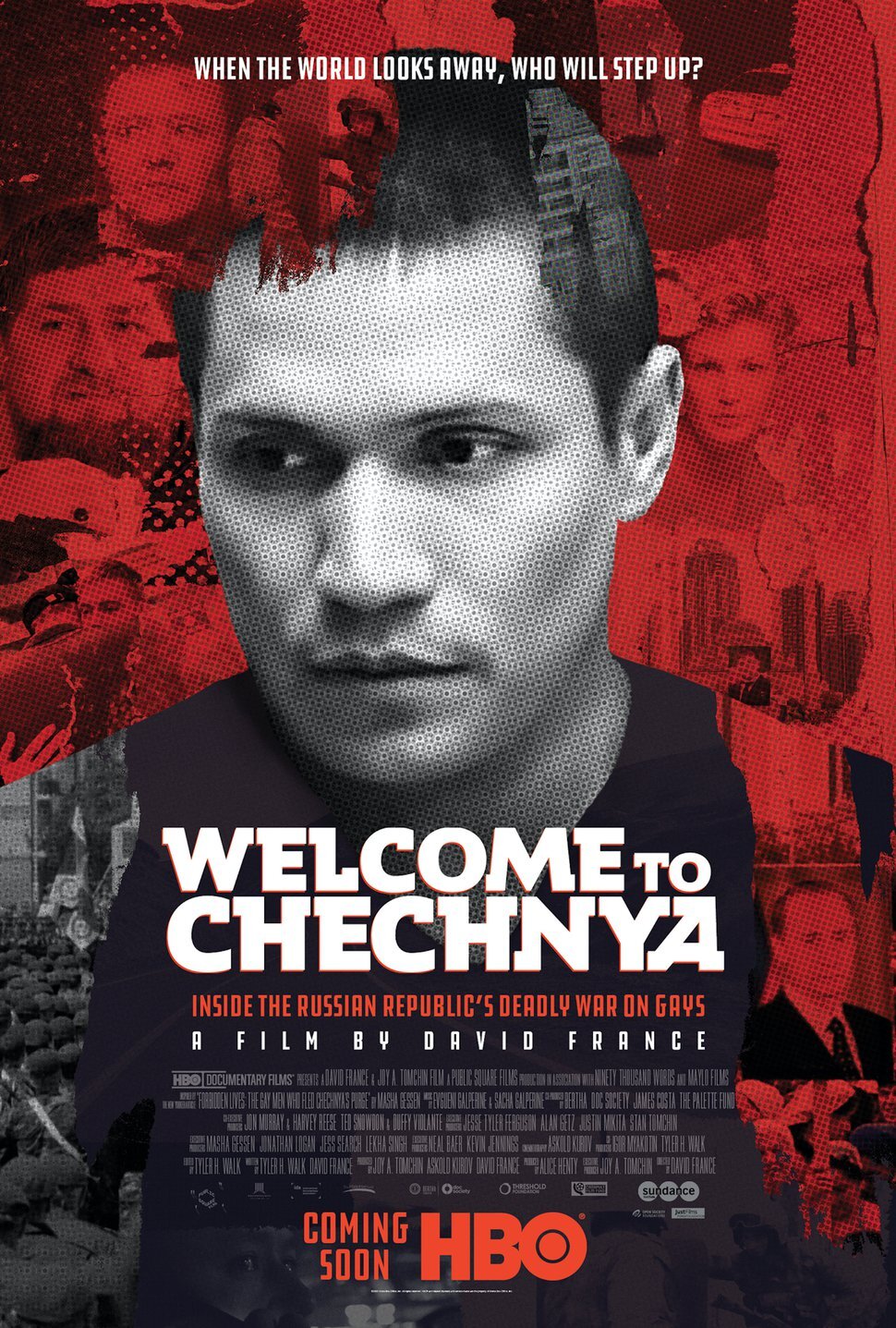
This heartbreaking and vital look into the spiralling wave of homophobic violence and anti-gay purges spreading through Chechnya as of the late 2010s. It follows LGBTQ+ Chechen refugees - mostly anonymised for their own safety - using hidden cameras as they fled out of Russia through a network of safehouses aided by activists and good samaritans.
2. Portrait of Jason (1967)
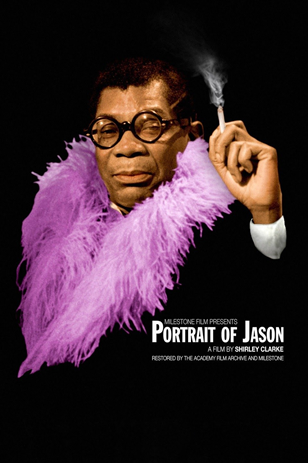
In this candid and spirited documentary interview - incendiary even by today's standards - aspiring cabaret performer and self proclaimed 'hustler' Jason Holliday waxes and reflects on the art, life and trials of 60s America, from his point of view of a Black, gay man.
3.Olly Alexander: Growing up Gay (2020)
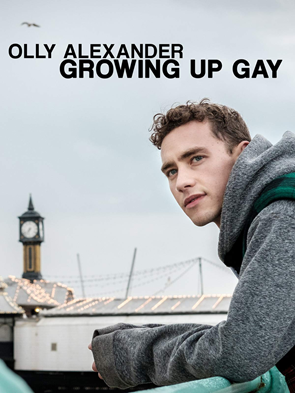
Years and Years leading man, queer pop icon and friend of Stonewall, Olly Allexander, explores the mental health issues faced by members of the LGBTQ+ community, as well as his own relationship to his identity.
4. Defiance: Voices of a New Generation (2020)
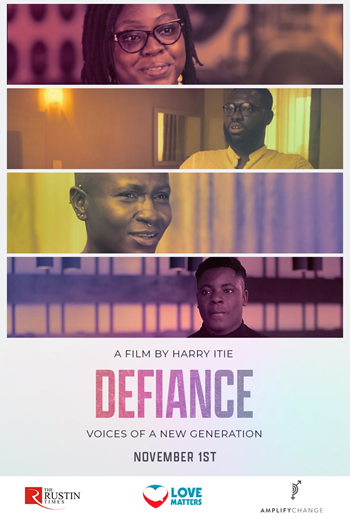
These compelling stories from Nigeria's LGBTQ+ community are set against the backdrop of their struggle against enduring colonial-era homophobia, renewed and bolstered by a contemporary wave of religious and social conservatism that has seen LGBTQ+ people in Nigeria fall victim to an onslaught of legislative and literal violence. In a society where existence and community is criminalised, their bold activism and visibility is undoubtedly an act of defiance.
5. Paris is Burning (1990)
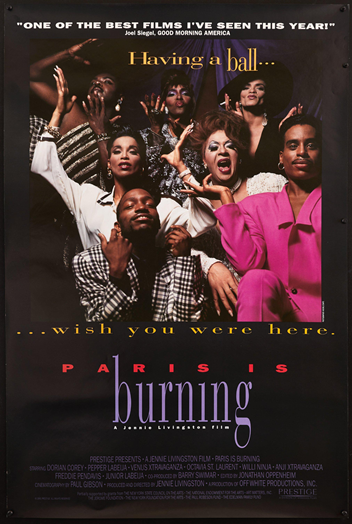
This landmark documentary, exploring the fire, fervour, and cultural innovation of the 80s New York Ballroom scene, a predominantly QTIPOC and working class community, as told through the enduring eyes of some of its most charismatic and glittering figures.
Its cult following and impact on both LGBTQ+culture (RuPaul's Drag race springs to mind) and in wider media would turn subjects such as Octavia St Laurent into queer household names. But it's impact is a heavy contrast to the sad story of exploitation that underpinned its production and direction, with many of those who appeared on camera going on to face increasing deprivation and violence.
6. Free Cece (2016)
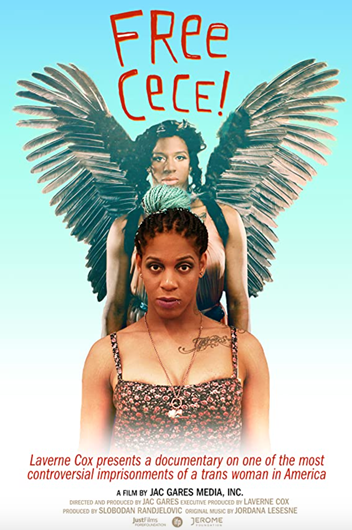
Produced by Black trans icon, actor and activist, Laverne Cox, 'Free Cece' follows the titular CeCe McDonald through her personal and the collective struggle against her unjust criminalisation and incarceration, following an act of self defence against a transphobic attack, and confronts the culture of violence surrounding trans women of color in America.
7. How To Survive A Plague (2012)
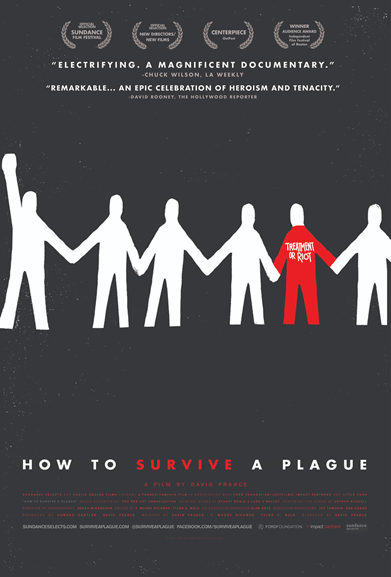
'How to Survive a Plague' is a moving documentary about the harrowing early years of the AIDS epidemic, and the efforts of activist groups ACT UP and TAG to resist an establishment that had abdicated all responsibility and duty of care to the LGBTQ+ community as it was decimated by the HIV/AIDS epidemic.
8. Are You Proud? (2019)
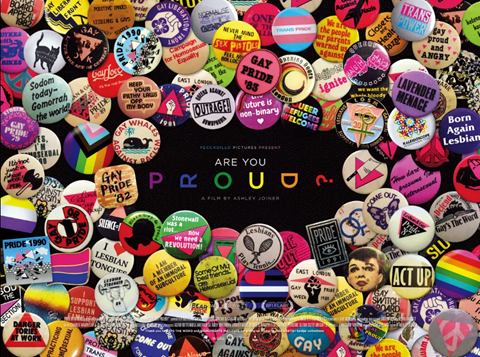
In this moving documentary from Ashley Joiner, rare archive footage and interviews across a spectrum of historical campaigns and current activists in the United Kingdom celebrate and contextualise the LGBTQ+ Pride movement's landmark achievements.
9. Tongues Untied (1989)
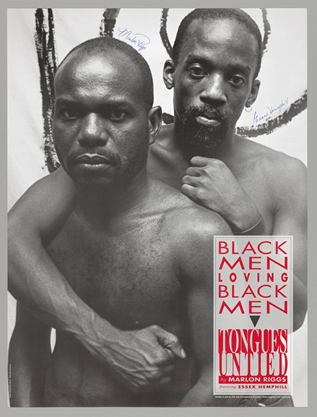
A seminal, influential and stunning work from filmmaker Marlon Riggs that aimed to give a voice and platform the the experiences, culture, intimacies and perspective of Black gay male communities, and in his own words, to "... shatter the nation's brutalizing silence on matters of sexual and racial difference." Featuring renowned 'poet-warrior', Essex Hemphill, 'Tongues Untied' is a must-see, unreplicated by any LGBTQ+ documentary work in the three decades since.
10. Disclosure (2020)

Described by the team behind it as "an unprecedented, eye-opening look at transgender depictions in film and television, revealing how Hollywood simultaneously reflects and manufactures our deepest anxieties about gender," 'Disclosure' provides a nuanced, analytical and accessible breakdown of trans representation in some of Hollywood’s most beloved moments and the off-screen real world repercussions of a failure to represent trans lives and stories authentically, accurately and without prejudice.
Presented via the opinions, reactions and perspectives of leading trans thinkers and creatives. Featuring Laverne Cox, Lilly Wachowski, Yance Ford, Mj Rodriguez, Jamie Clayton, Chaz Bono, and more.
Today we set out a new chapter for Stonewall as we launch our 2021-5 Strategy: Free to Be.
It’s almost a year since I took up the role of Chief Executive here at Stonewall. I’ve had so many rich and powerful conversations with people from across the LGBTQ+ movement, both here in the UK and among our many global partners, about what matters to our communities, what change is desperately needed and how Stonewall can be a great activist and partner in the movement.
I’ve reflected a lot on what we need to do and be at Stonewall to fight for – and build support for – our communities.
At the heart of it, we at Stonewall believe that LGBTQ+ people have limitless potential, and we imagine a world where all LGBTQ+ people of all identities experience not only equal opportunities, but equitable outcomes. Where our governments, communities, faith institutions and families don’t merely allow us to exist, but actively shield us from harm and help us thrive.
To create the world we imagine, our new strategy focuses on three pillars: Freedom, Equity and Potential. And the only way that we can make real progress is by working in partnership across the movement, in the UK and globally.
Over the coming four years you can expect to see us can expect to see us working on:
Freedom
- A legally enforceable ban on conversion therapy
- Laws that help prevent hate crimes and support LGBTQ+ asylum claims
- Legal recognition for LGBTQ+ people and our relationships
Equity
- Accessible and high-quality healthcare for all LGBTQ+ people
- Strengthening relationships with faith communities and communities of colour
- Supporting and represent LGBTQ+ people across our lives
Potential
- Expanding our workplace and empowerment programmes
- Championing LGBTQ+ inclusion in sport and schools
- Supporting Pride in all its forms
You might also notice that we look and sound a bit different. The wonderful and very clever Revolt (a purpose consultancy) and activist agency and Jones Knowles Ritchie (a design-led creative company) have helped us build a strong and clear message about who we are and what we stand for, alongside a fresh and confident new look. We have moved away from ‘Acceptance without Exception’ which no longer feels like the right focus for us. Today we stand for the freedom, equity and potential of all LGBTQ+ people.
We are so grateful to Revolt and Jones Knowles Ritchie for their generous support. And we are so grateful to the photographer Ally Schmaling, who has allowed us to use their beautiful portraits of LGBTQ+ people. We hope you love their work as much as we do.
So, now you know about the world that we imagine at Stonewall, I want to ask: do we imagine the same world?
If you can imagine a world where there is freedom, equity and limitless potential for every LGBTQ+ person, we want you to stand with us.
Whether you’ve supported us since 1989; you’re just coming out; you want to be a champion for your LGBTQ+ friends, relatives or colleagues; you’re concerned by the rise of anti-LGBTQ+ hate groups; you’ve felt overlooked by us in the past; you want to step up as a role model or leader – we can’t create the world we imagine, the world our communities deserve, without you. Join us.
With the deadline fast approaching for UK Black Pride’s inaugural survey of LGBTQI+ Black people and people of colour, we spoke to some of the incredible activists, organisers and creatives taking part to find our why it’s so important to be heard.
This survey has closed.
1. Kayza Rose
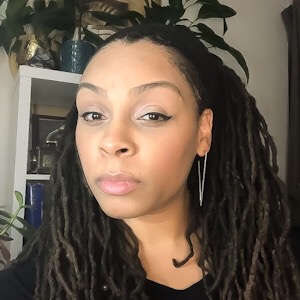
Kayza Rose (she/her) is a dynamic creative producer, artistic director, filmmaker, activist and cultural leader based in London, UK. For more than a decade, she has focused her work on creating change for Black and POC through a variety of editorial, creative and artistic endeavors for companies and community-based organisations.
What brings you joy?
Feeling like I’ve made some kind of impactful change, even if that change means being still in order to heal. My community. The wonderful friendships I have, and I also need to take a moment to acknowledge that my plants give me immense joy and comfort.
What are you most anticipating from the findings from the UK Black Pride survey?
Being introduced to siblings who we may not have connected with previously. Part of my role as Head of External Events at UK Black Pride is to see how we can connect in meaningful ways with our communities, especially those outside of London.
Why do you think it’s important to have your voice heard in this survey?
Black and POC folk are often left out of the national narrative, this survey is now part of our history. This survey can be used to give us a voice statistically, stats are often used to back up a case for funding and other support for specific groups. This is a chance to be heard and seen in ways we just haven’t been before. This is so powerful!
2. Aisha Shaibu
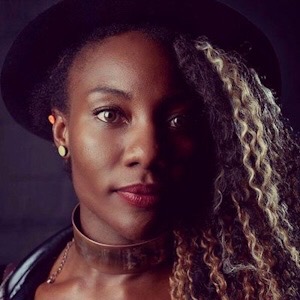
Aisha Shaibu, Head of Community Engagement at UK Black Pride. Aisha creates space and amplifies marginalised voices through various community projects across the globe. She is a rising entrepreneur tackling the lack of diversity in nightlife & the travel industry.
What brings you joy?
I find joy in the moments where I am able to connect with a diverse range of queer people in an inclusive and safe environment. But most of all my joy comes from when I am able to be visible & proud at work and whilst sharing the little moments in my life with my fiancée.
What are you most anticipating from the findings from the UK Black Pride survey?
I am anticipating that the survey will provide an in-depth report and analysis of our QTIPOC community across the UK like never before. We don't have enough data that highlights key issues about the experiences, lives and joy of LGBTQI+ Black people and people of colour living in the UK.
Why do you think it’s important to have your voice heard in this survey?
It is important to have our voices heard in this survey because for the first time I actually feel that a survey like this will make a difference. It will play a vital role in understanding our needs especially after the pandemic but also provide access to information on how our community can be better supported.
3. Tajah
Tajah is Senior International Programmes officer for Out of the Margins at Stonewall.
What brings you joy?
Dancing! It made me feel more in contact with my body at a time when all there was to do was to look at it and the way it changed during the pandemic.
What are you most anticipating from the findings from the UK Black Pride survey?
The affirmation that not having access to QTIPOC (Queer, trans, intersex people of colour) in person spaces has been really hard for others and not just me. I’d made the decision to live more openly in my queerness only a couple months before lockdown 1, and the lack of in person spaces has meant lack of access to meeting other QTIPOC. I’m hoping that these findings lead to more venues accommodating our community’s needs!
Why do you think it’s important to have your voice heard in this survey?
Because it’s still not the norm that when people think of the LGBTQ+ community, they think of people like us! The world needs to finally accept that QTIPOC come from all backgrounds and ways of life.
4. Liz Ward
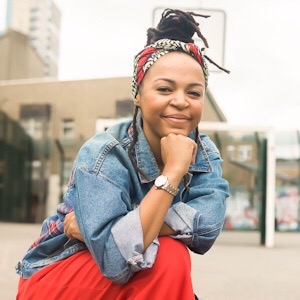
Liz Ward (she/her) is Director of Programmes at Stonewall. She has spent her career working in the charity sector fighting for racial justice, equality and creating a world where everyone is free to be themselves. Find Liz on Twitter @lizmaryward either bigging up Marcus Rashford or ruminating on Women's football - with a healthy dose of social justice chat to boot.
Until recently, Liz had led The Advocacy Academy, the UK's only Social Justice Leadership programme, launching campaigns focusing on decolonising the curriculum, improved legal aid for students, tackling police brutality and creating spaces for religious queer kids of colour.
What brings you joy?
I feel the most joy when I see others feeling joy. Maybe I should reframe that as love - as for me, joy is love. The liberating feeling of sharing space with your loved ones, expressing your needs openly and freely is joy-filling for me. I believe in that for marginalized people - joy is a radical act. I try to make sure I feel a little bit of joy every day, whether that's having the perfect cup of tea, holding hands with my girlfriend, or making an amazing sandwich - I celebrate the micro-joys of the average day.
What are you most anticipating from the findings from the UK Black Pride survey?
These last 12 months have been hard, and our community has unfairly suffered. I believe that many of us will be connected in this - the feelings of isolation, the anger. For Black Queer people, I believe many of us are connected in our struggles - feeling safe in public, coming out to family. There's something so deep that underpins the Black queer experience and feeling less alone in that struggle is empowering.
Why do you think it’s important to have your voice heard in this survey?
Our community is hardly ever listened to, that’s a fact. We have learnt to shout, because we had to. This survey gives us the chance to share our fears, worries, joys in a way UK Black Pride has never done before. Be sure to tell your story.
5. India Hosten-Hughes
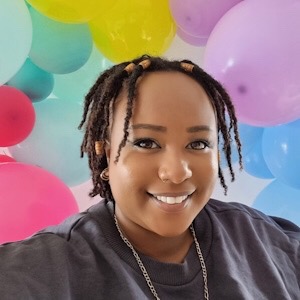
India Hosten-Hughes (she/her) is a queer nerd of all things super-powered and magical.
What brings you joy?
I am an introvert and I really love down time and fully immersing myself in self-care. I find joy in finding inner peace and having a sound mind, even if that means a day of binging anime, washing my hair, and doing my nails, those are the days I absolutely adore.
What are you most anticipating from the findings from the UK Black Pride survey?
Growing up I didn’t know many Black or Asian LGBTQ+ people. I didn’t meet others like me until I became an adult, so I am intrigued to see how we feel we are represented, supported, and embraced today compared to so many years ago.
Why do you think it’s important to have your voice heard in this survey?
Education, health care and employers need to know if they are doing well supporting us or if they are failing. Our intersectional lived experiences are unique and there are large gaps in key areas that could support Queer, Trans, Intersex, Bi people of colour (QTIBPOC).
This survey has closed.
The findings from this survey will help inform the first UK Black Pride Community Action Plan, through which funding will be distributed to communities. Have your voice heard and help determine UK Black Pride continue to make a lasting impact on the LGBTQI+ Black people and people of colour they represent.
This Pride Month, we’re inviting members of our wonderfully diverse community to speak up on why we’re #ProuderTogether.
To kick things off, Prishita Maheshwari-Aplin, Stonewall’s Storytelling Lead, reminds us that pride began as a protest – and while we’ve come a long way, there’s still a long way to go before LGBTQ+ people have true equality.
Pride is a time for the LGBTQ+ community to come together and celebrate. We have so much to be proud of – from our resilience to our capacity for love. And this season encourages us to celebrate ourselves, our identities, and all that we have won so far.
But Pride is also a protest.
We must take this time to remember that there is still progress to be made, and that social injustice remains a reality for many of us.
With an increase in transphobia, continued persecution of LGBTQ+ people across the world, and ever-present racism even within the LGBTQ+ community, we must continue to work together towards a better future for everyone in our communities. We are seeing ever-increasing number of organisations turning rainbow-coloured to mark Pride as this month gains visibility and attention, but this alone does not represent equality – centring and uplifting community actions and organisations remains vital.
Because Pride is a time to use our voices and speak up in solidating with all members of our beautiful, diverse, global community.
It’s worth remembering that the first ever Pride was a march, not a parade. It was called the Christopher Street Liberation March, and it marked a year since the 1969 Stonewall Uprising in New York. The uprising was a series of community-led violent rebellions in response to consistent, targeted harassment by the police. These rebellions set in motion many protests and campaigns that ultimately led to important wins for the LGBTQ+ community in the West. But in 2021, the fight is far from over.
The past year has made clear the importance of protest and solidarity.
Solidarity is not a noun but a verb – it is a recognition of the fact that when marginalised communities channel our collective power, we are stronger than ever.
Recently, we’ve seen the Black Lives Matter movement spreading across the world, hundreds of thousands speaking up for Palestine, thousands in the UK gathering at #KillTheBill protests, and 200 community members demanding Lakhvir Singh and Chef Sumit Sehdev’s release from immigration detention back into their homes Pollokshields, Glasgow. Global and local movements such as these have shown that, when raised together, our voices still hold great power.
So this Pride, let’s remember that none of us are free until all of us are free. And let’s raise our voices until we have built a brighter, safer future for those of us who are most marginalised and exploited.
Pride events across the UK
Pride events, protests and rallies are being organised by local LGBTQ+ community organisations across the UK. Why not attend to show your support for their work and to speak up for your rights?
Pride for All - Pink News: 08 June
Bi Pride (Bi-Fi Fest): 19 June
London Trans Pride: 26 June
Orkney Pride: 26 June
UK Black Pride: 02 July
Southend Pride: 17 July
Trans Pride Brighton: 17 July
Forest Gayte Pride: 14 August
Glitter Cymru: 14 August
Tamworth Pride: 18 August
Pride in London: 11 September
Bi Pride: 18 Sep
Burnt Roti (Middlesex Pride): 26 September
Attending Pride safely
When organising and attending in-person events, it’s important to ensure our own and others’ safety.
Always follow Covid-19 government guidelines, wear masks, and carry hand sanitiser.
If you’re attending a protest, make sure to read the advice provided by community organisations below in order to keep yourself and those around you safe.
5 key messages to know your rights on protests.
Black Protest Legal Support
Bristol Pride Without Borders is a support group for Bristol-based LGBTQ+ asylum seekers and refugees.
We meet every 2 weeks and spend time together (online or by phone during Covid-19). We support and listen to each other and enjoy celebrating our identities and cultures together.
Bristol Pride Without Borders is a part of Bristol Refugee Rights, which supports refugees and asylum seekers in the Bristol area. Our team offers regular 121 support and advice to LGBTQ+ asylum seekers and refugees, making sure people are housed, safe and have good legal advice. We also support our members through the asylum system.
Asylum claims based on sexuality have a lower acceptance rate.
This is a really important part of our work. As one of our volunteers has written, asylum claims based on sexuality have a lower acceptance rate (29% in 2018) than claims based on other protected categories (33%), almost certainly due to the difficulty of providing evidence. However, we have been able to secure exceptionally high rates of success for our members by supporting them at court and submitting rigorous evidence as part of their claim.
We focus on creating spaces for LGBTQ+ refugees, asylum seekers and volunteers.
As a peer support group, we focus on creating spaces for LGBTQ+ refugees, asylum seekers and volunteers to come together, to be ourselves and support each other. This is vital given the isolation many LGBTQ+ refugees and asylum seekers can feel when navigating the UK’s complex asylum system.
PWB grew out of a recognition that LGBTQ+ refugees and asylum seekers are often isolated. They are likely to experience stigma, or shame, and face additional scrutiny during their asylum applications, which can be difficult to deal with alone. Bringing people together in a support group aims to tackle these issues and to create a feeling of solidarity between LGBTQ+ people living in the Bristol area, regardless of immigration status.
Being with LGBTQ+ refugees and asylum seekers in social settings, hanging out in the park, or getting together on Zoom during the Covid pandemic, helps to create a real sense of community. Being together encourages people to be themselves and to feel comfortable, which can otherwise be difficult given the histories of persecution many have experienced because of who they are.
Our group is often described as a family.
The power of being together in this way means LGBTQ+ refugees and asylum seekers are also able to support each other too. Learning about each other’s experiences and being able to help others allows people to feel dignity and belonging. Our group is often described as a family, in recognition of the love and support that exists between our members.
Our work has also led to LGBTQ+ refugees and asylum seekers leading and participating in campaigns, from taking part in Bristol Pride, to giving talks during LGBT+ History Month.
It is really important that LGBTQ+ asylum seekers and refugees are listened to, and for LGBTQ+ communities to stand with them and support them. Through our work and campaigning, we are hopeful that LGBTQ+ asylum seekers and refugees can be treated with greater dignity in the UK. As an organisation, we stand alongside so many other great groups supporting LGBTQ+ refugees and asylum seekers, including Rainbow Migration (formerly UKLGIG), Borderlands in Bristol, and our colleagues at Bristol Refugee Rights.
Find out more about Bristol Pride Without Borders.
During Pride we’re celebrating the ways we are #ProuderTogether. So Gayathiri also highlights the work of another organisation making an impact in LGBTQ+ communities.
Decolonising Contraception (DC), founded by Dr Annabel Sowemimo in 2018 is an interdisciplinary collective of Black people and people of colour, working to address sexual health inequalities experienced by our communities due to colonisation. We do this through workshop facilitation, campaigning and providing safer spaces for our communities to support one another. It’s central to our work that every month is Black History Month and every month is Pride Month.
Decolonising ... is how we undo the damage done by colonisation.
‘Decolonising' (decolonising, because it is a continuous process) is how we undo the damage done by colonisation. It is about trying to understand and give voice to cultures, languages and identities that have been brutally criminalised and erased. For example, within school and community workshops we discuss decolonising ‘beauty standards’ and the dismantling of the idea that white skin = ideal. We unpack critical questions such as, ‘who creates our definition of beauty?’ and ‘what if we weren’t penalised for dressing and expressing ourselves according to what felt right to us?’
DC’s ‘Decolonising Gender and Sexuality’ workshop is another example of how tailored information can bring about self-advocacy skills. We speak about how colonialism cemented the gender binary and criminalised gender non-conformity and queerness in parts of Africa and Asia in the 19th century. And that due to colonisation, these diasporic communities absorbed an imported homophobia which takes work to unlearn.
It’s important to know that your gender and sexuality are yours to explore and define.
We talk about how it’s important to know that your gender and sexuality are yours to explore and define. That they do not belong to anyone else, and that other people do not have the right to pass on your private information. That you never have to 'come out' if it's not safe or beneficial to you. That ‘coming out' and 'being proud' is not a moral action you have to perform. That there are visible BPOC, queer people around us, but that you don’t have to be one unless you want to. Indeed, for many BPOC folk, inviting family and our communities in on our queer lives is not an option if we also want to maintain ties, and have emotional, financial and housing security. This is not unique to the queer-BPOC experience. But the idea of being selective about who you invite in, isn’t always validated within ‘mainstream’, queer circles.
As those who are underserved by healthcare too, it’s important for BPOC to be able to advocate for better treatment. We want our communities to know that they can get (sexual) health treatment and advice confidentially, that they can go back and ask about different options for treatment and that they can ask for a different doctor if they feel unfairly treated. Knowledge and access to all the above is a basic human right. Speaking to Paula Akpan for Daye, Dr Sowemimo says, ‘we should expect medical professionals to be treating us the same way clinically but that is not happening. In the interim, we have to devise strategies within our own communities that enable people to have better health literacy.’
In 2020, DC started a podcast series entitled ‘The Sex Agenda’ to discuss all things BPOC sexual health. Episodes have explored issues including, ‘Reproductive Justice’, ‘Fetishisation of East Asian Women ’ and ‘Black Fatherhood’ In September 2020, DC was named Grassroots Organisation of the year by Brook and SH:24‘s Sexual Health Awards. By equipping our communities with decolonising, critical thinking and self-advocacy tools we aim to offer some form of resistance to systemic oppression.
An organisation I’d like to celebrate is Land In Our Names (LION.) LION aims to disrupt oppressive land dynamics relating to BPOC communities in Britain within a Reparative Justice framework. ‘[They] address land justice as a centre point for issues around food insecurity, health inequalities, environmental injustice & widespread disconnect from nature.’ It’s crucial that we recognise the interconnected nature of systemic oppressions, racial-capital-land-environmental-reproductive injustices define and uphold one another. Across movements and sectors, our work for liberation is and will continue to be bound together.
Find out more about Decolonising Contraception and support their work on their website or on Instagram. Find Gayathiri’s Instagram here.
There are a number of organisations out there offering support if you need it. Check out the organisations and resources Gayathiri recommends below.
During Pride, we are celebrating the ways we are #ProuderTogether.
Nic from the Scottish Bi+ Network talks about intersectionality in the bi community, and how you can get involved with the network’s activities.
The Scottish Bi+ Network began in 2018, becoming a constituted group in 2019.
Our aims are to raise bi+ visibility and increase awareness of the issues facing the bi+ community, both in the LGBTQIA+ community itself, and with the public. We are Scotland’s main voluntary-run organisation for anyone attracted to multiple genders. We organise events, liaise with other organisations, take part in Prides, and provide online support. As Covid restrictions ease, we hope to help in-person bi+ groups start up around the country to provide in-person peer support and social activities. We’d love to hear from anyone who wants a bi+ group in their area - we can provide some financial support, practical help, and training, but we need people in the area to sustain a group!
Since the pandemic began, we have moved our activities online. We have active social media, and our Discord server is proving very popular! We have multiple channels, including neurodiverse, events, games, links/info, and regional channels to help people find others near them. We keep the Discord relatively private to ensure safety - this has worked very well so far, and we’ve had no problems. We’re happy to give the link to anyone who asks for it though, and love to welcome new people - just contact us by email/social media! People are finding the Discord to be a good source of peer support as well as being a social space.
We’ve had several day-long online Bi+ Gatherings which have been well-attended not only by people in Scotland, but throughout the UK, Europe and beyond. These events have been a mixture of workshops, talks and social events, covering everything from a workshop with internationally renowned bi activist Robyn Ochs to juggling!
Our next major event is ... BiTastic.
Our next major event is a partnership with the Equality Network and Stonewall Scotland - BiTastic. This will be a multi-day online event in September, our biggest event to date Get in touch if you’d like to facilitate a workshop/session - it doesn’t need to be bi+ related, just of interest to our community - we want a full range of activities in the programme.
We know that as well as our bi+ identity many of us have other identities which are important to us.
Intersectionality is huge in our community. We know that as well as our bi+ identity many of us have other identities which are important to us - whether that be that we are BAME, disabled, neurodiverse, trans/non-binary. We may face discrimination due to our religion or our class background. At Scottish Bi+ Network we aim to recognise this and make our spaces (physical and online) safe spaces, where people can be their true authentic selves and don’t have to hide any part of their identity or being.
As part of that, we’ve recognised that many who interact with our services are neurodiverse. This led to us developing a neurodiverse area within our Discord for peer support, socialisation and sharing links, tips, and resources. This area is open to anyone who identifies as neurodiverse whether formally diagnosed or not, and includes a wide range of neurodivergence including autism, ADHD, dyspraxia, sensory processing difficulties, and dyslexia. We have a monthly neurodiverse meetup on Zoom on the 2nd Sunday of each month, where we have a “starting topic” (chosen by the group) to allow the group to work together and collaborate on ways to help things they struggle with, as well as generally socialise in a safe space with other neurodiverse bi+ people. Both this meetup and the neurodiverse channel on Discord are peer-support spaces but are facilitated and moderated by a neurodiverse person (me!).
Providing we have appropriate volunteers to moderate and ensure safe spaces, we would be happy to expand and have other meetup groups and Discord channels for other intersectional identities - we are always happy to grow and meet the needs of our community! The power of this peer support network cannot be underestimated, particularly as a community who suffer erasure and high rates of physical and mental poor health.
As an individual, I feel proud to be a part of the LGBTQ+ community. I’ve always felt “different” and never really fitted into mainstream society. The LGBTQ+ community (particularly the bi+ community) have really embraced me for who I am - quirks, disabilities, neurodivergence and all. I’ve finally found my community and am accepted. I am home. Obviously, I credit Scottish Bi+ Network as having a pivotal role in that! As a community we make up the biggest proportion of the LGBTQ+ umbrella, and as an organisation we’re proud of that.
As a small organisation we are continually looking for more people to get involved, and to let us know what the community wants and needs! This could be as little as 1.5 hours every 2 months as a committee member. Our AGM is coming up very soon, and we will have spaces for new members - email contact@scottishbinet.org to find out more! No experience is necessary, just a desire to help with ideas and suggestions. We recognise our community is more likely than many to be affected by disability or caring responsibilities. As such we have a generous expenses policy as we aim to remove financial barriers to volunteering. Speak to us in confidence to find out more.
During Pride, we are celebrating the ways we are #ProuderTogether.
Yi from Queer East talks about the importance of queer representation in the media, and of amplifying the voices of Asian communities in the UK.
Founded in 2019, Queer East is a London-based community-focused cultural organisation that aims to shine a spotlight on LGBTQ+ stories and experiences, both from and about East and Southeast Asia, and amplify the voices of Asian communities in the UK. The organisation runs an annual film festival and year-round cultural events across the UK.
It has been over half a century since the decriminalisation of homosexuality in the UK, but stereotyping, discrimination, and misrepresentation still exist. This is especially true for LGBTQ+ people of colour, who are often marginalised both for their race and sexual orientation, and are excluded from mainstream discourse.
Significant progress and landmark rulings have been made across Asia in recent years. However, challenges and obstacles that many are still facing remain. In the UK, especially in London, Asians are one of the fastest-growing ethnic groups, but it seems that we still lack an understanding about these communities.
Queer representation in the media is strongly linked to the wider public’s views on LGBTQ+ communities.
Arts and culture reflect society and are mediums capable of raising awareness amongst the public in a direct and accessible way. Queer representation in the media is strongly linked to the wider public’s views on LGBTQ+ communities. Hence, I feel it is crucial that we bring more on-screen representation of queer Asian and diasporic communities to uplift their voices, and bridge the cultural distance between Asia and the wider society.
Originally planned for April 2020, the first edition of the Queer East Film Festival was disrupted significantly by the COVID-19 outbreak. While cinemas had to close their doors, the organisation shifted to virtual space and created two online series, QE: HomeSexual and QE: Docs4Pride in April and July respectively. Returning in the autumn, our main festival was reimagined as a season-long showcase in a hybrid format, with a programme of 36 films incorporating classic retrospectives and new releases spanning over 50 years of queer filmmaking in Asia. Altogether, with our two virtual series and a hybrid festival, we have screened 55 films from 17 countries across the Asian continent and beyond, championing the diverse voices of queer Asian storytelling.
To mark the Pride season this year, Queer East returns to cinemas across London with a diverse set of films from China, Indonesia, Japan, Taiwan, and the UK, exploring how culture, law, history, and social norms have shaped the current queer landscape in East and Southeast Asia. The film programme includes Japanese maestro Toshio Matsumoto’s kaleidoscopic masterpiece Funeral Parade of Roses (1969), Oscar-winning director Ang Lee’s gay romantic comedy The Wedding Banquet (1993), a Taiwanese blockbuster GF*BF (2012) and 2015 BAFTA nominee, Lilting. The series continues in July, featuring the UK premiere of Memories of My Body (2018), Indonesia's official submission for the 2020 Oscars, the 2019 Berlinale Teddy Jury Award-winner A Dog Barking at the Moon (2019), the UK premiere of As We Like It (2021), an all-female queer reworking of Shakespeare's play, and documentary The Two Lives of Li Ermao (2019), charting the life experience of a transgender migrant worker in Southern China.
Film is one of the most direct and accessible mediums able to shine a light on issues.
Global events in the past year, from Covid-19-related anti-Asian attacks to the Black Lives Matter movement, have once again reminded us how vital fair and authentic racial and sexual representation is for our society. Film is one of the most direct and accessible mediums able to shine a light on issues and situations that people just weren’t aware of before.
By showing films ... we can provide a platform for under-represented Asian and diasporic communities to share their history
By showing films that people might not otherwise get a chance to see, we can provide a platform for under-represented Asian and diasporic communities to share their history, stories and what it means to be Asian and queer today. Advancing LGBTQ+ rights requires a collective approach, and we think it is important that Queer East plays a part in this, as a joint force together with many other allies. Together, we can work on tackling the inequalities both outside and within the LGBTQ+ communities, and ensure the full diversity of the queer community is well reflected through the power of cultural activism.
The second edition of Queer East Film Festival will be returning in London and across cities nationwide this autumn. To stay in touch with our upcoming events, you can subscribe to our newsletter and follow us on social media: Facebook, Twitter and Instagram.
AVEN – The Asexual Visibility and Education Network
Content warning: sex, sexual coercion
During Pride, we are celebrating the ways we are #ProuderTogether. Michael from AVEN talks about the importance of including ace identities in the LGBTQ+ community, and the importance of amplifying diverse ace voices.
AVEN - the Asexual Visibility and Education Network (asexuality.org) - was founded in 2001 by David Jay of San Francisco with two distinct objectives: to get asexuality recognised as a legitimate sexual orientation, and to build a supportive community of asexuals (also known as “aces”) and allies. As an orientation, asexuality signifies those who experience little or no sexual attraction. Some also understand asexuality in terms of lack of sexual desire. Unlike celibacy, asexuality is not a choice, and indeed some asexual people do have sex. Much like other orientations, asexuality is not about behaviour but about how you feel.
As an orientation, asexuality signifies those who experience little or no sexual attraction.
Asexuality is relatively new as a recognised orientation, most awareness only happening in the last couple of decades. When I was at university 20 years ago, the Pride society styled itself as “lesbigay”. Trans inclusion still was apparently not a settled matter, and asexuality wasn’t even on their radar at this point. This experience is typical.
And yet we’ve always been out there. There are countless stories of folks inventing the word “asexual” for themselves (sometimes “non-sexual”), at a time when this term was predominantly found in biology texts as a means of reproduction. A famous study by Bogaert (2004) estimated the prevalence of those who do not experience sexual attraction at 1%, based on a UK survey taken in the 90s, again long before there was a community.
Perhaps part of the reason asexuality was recognised comparatively late, and not included in the LGBTQ+ umbrella till recently, is the lack of organised opposition, unlike other parts of the spectrum. Obviously, while gay sex was criminalised relatively recent history in many countries including the UK, there were never any laws prohibiting not having sex (though the pressure on aces to have sex within marriage, and more generally to have sex based on peer pressure, is very real).
While traditional religion has been opposed to the expression of most LGBTQ+ identities, its stance on asexuality has often been mixed. On the one hand there’s “be fruitful and multiply”, and on the other asexuality is often confused with celibacy, which is sometimes allowed or even sometimes encouraged within religion.
That said, in spite of some of the differences, I feel we have a lot in common with the LGBTQ+ community. The feeling of brokenness, of not living up to expectations, is one many or most aces share with the wider community. Some aces experience homophobia precisely because asexuality isn’t recognised as different to gay (“if you’re not into one, you must be into the other”). Plus there are very important intersections; many aces are romantically attracted to the same gender, and a lot of aces are trans and especially non-binary.
One particularly important objective ... at the moment is to amplify diverse voices.
There is much left to be done in terms of ace recognition and awareness, but one particularly important objective the ace community has at the moment is to amplify diverse voices, especially those aces who have historically had less coverage, for example older aces, disabled aces and ethnic minority aces (in the West).
In the last regard, Yasmin Benoit, a Black ace model and activist from the UK, has been doing amazing work recently, using her platform both to centre marginalised voices, and to bring awareness to the ace community as a whole. There are many other activists doing sterling work, of which there are too many to name.
Finally, I’d like to comment on the global aspect of the ace community. Traditionally much of the awareness and recognition of asexuality has been from Western, English speaking countries, and this is finally now changing, in large part thanks to local ace organisations popping up throughout the world, all of whom are doing amazing work bringing awareness of asexuality in their countries.
A recent effort called International Asexuality Day - held for the first time on 6 April 2021, and the same date in subsequent years - brought together activist organisations from over 100 different countries, with the objective of bringing awareness to asexuality around the world, with the emphasis on non-Western and/or non-English speaking countries. You can find information about the different ace groups represented around the world, as well as watch panel discussions covering ace experiences in different countries, on the website.
Asexuality is finally getting the recognition it is due, both in the UK and internationally, though there is still much work to be done. We hope the LGBTQ+ community will join us on this journey, and in return that aces can be good allies to the rest of the spectrum. Happy Pride all!