
Workplace
Inclusive Leadership - leveraging leadership to drive inclusion
Active and committed senior leaders are essential to creating a truly inclusive work environment. Visibly inclusive leaders set the culture of an organisation, use their influence to raise awareness of important issues, and make decisions that enable their staff, clients, customers, service users and wider community to realise the benefits of inclusion.
This guide offers examples and ideas that can be tailored to your context. It’s designed to support leaders themselves as well as HR and EDI teams and LGBTQ+ network groups looking to support their senior leaders to engage with inclusion work and maximise their impact.
8 LGBTQ+ people describe the power of workplace inclusion
Lots of us spend most of our days at work. And, at least before the Covid-19 pandemic, that involved being in the same workplace, around the same people, every day.
Not being able to be authentic around colleagues can have a disastrous effect on LGBTQ+ people’s wellbeing and confidence. But we also know that when LGBTQ+ people can be themselves at work, they blossom.
Here, we share the real experiences of eight LGBTQ+ employees who are now able to bring their whole selves to work.
1. Great HR teams and procedures help employees inside and outside work
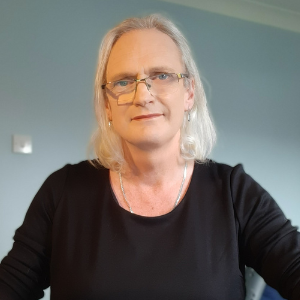
“I’d thought about talking to somebody for several years before I first came out to someone at work. Afterwards, the relief was immense – a weight lifted off my shoulders, and I felt I could breathe again. I’ve slowly come out to more colleagues, and I’ve recently come out to my peers and seniors. The reaction from everybody has been amazingly positive.
Since then, Jacobs have introduced a specific Trans HR rep. Jacobs’ action during lockdown, enabling and encouraging working from home was a huge help to me. Working from home over the last 18 months enabled me to find my true self, and find a balance that I’m happy with, allowing me to be me.”
Nic, Design Manager in Water and Environment at Jacobs Engineering Group
2. Healthier working cultures make for more confident employees

“I've never had any abuse directed at me, but there are times when I’ll be in a meeting a comment is made. I’m not ignorant to the fact that these mindsets are still the norm for some people, especially in construction.
But working in an inclusive workplace has definitely made me a little more confident in talking about my identity. I’ve also gained the confidence to talk to people I've connected with through the LGBT network. I know a lot of great people from a lot of different places in the business, that I wouldn't have met otherwise. That creates a good dynamic to be able to work in, where you feel like you can be yourself, as opposed to creating a facade at work.”
Ella, Consultancy and Project Management apprentice at Mace Group
3. Employees can discover and celebrate their authentic selves

“At a previous workplace, I witnessed homophobic and transphobic comments from a manager. I didn’t feel safe working there, and I anticipated that being out about my sexuality might hold me back from progression.
Shame cast a shadow over much of my younger teenage years right through to my mid-twenties. Working in inclusive environments has been massively important in helping me to unpick years of compounded shame. Today, I feel like I can say that I have a really clear idea of who I am and what I stand for. I thank all of the inclusive workplaces I’ve ever worked for playing their part in my journey of discovery towards my authentic self.
If you’re feeling isolated at work, talk to somebody. Anybody. Don’t suffer in silence. There will always be somebody who will want to listen, even if it might not always feel like it.”
Sean, Student Voice and Engagement at University of Salford and Co-Chair of Salford Proud
4. Championing LGBTQ+ inclusion from the top down dramatically changes employees’ experiences
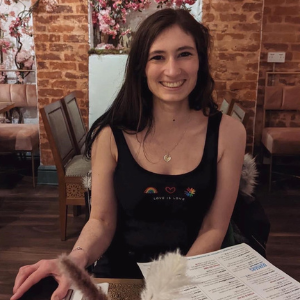
I joined Grant Thornton in August 2016, fresh out of university. I’d only had the courage to come out to a couple of existing friends at that time.
When a conversation came up about relationships at a work social and I said I was bisexual, one of my colleagues told me he would ‘love to have a threesome’ with me and another girl. Another told me that I was making it up for attention and started asking intrusive questions about my sex life. I began to actively hide this fact about myself.
A few years later, in the wake of George Floyd’s murder, people in the firm became more aware of the challenges faced by minority groups, and sessions to discuss ethnicity, gender, sexuality and many other topics sprung up. Grant Thornton championing inclusion in the workplace has dramatically changed my day-to-day experience in the office. I no longer feel like I am filtering out an intrinsic part of who I am, and being able to be myself day-to-day at work gave me the courage to come out to my remaining friends and family.
Syndie Simons, Manager, Tax at Grant Thornton
5. Embedding LGBTQ+ inclusion transforms the entire culture of an organisation
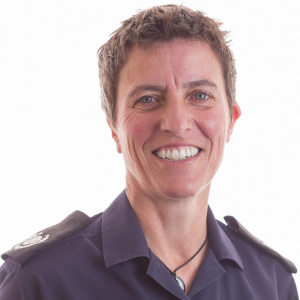
“I joined the fire service 28 years ago, when it was very male dominated. I was told by my Area Manager at the time that I had two problems as far as he could see – that I was a woman and that I was gay. I thought that the best thing that I could do was to just hide bits of myself and not to share the biggest part of my life – my personal life outside of work.
Fire and rescue services are in a very different place today. The inclusive culture at Kent is a big positive. People are very welcoming; we have a much larger, more diverse workforce. The best thing for me is that I have a real opportunity to influence everybody's behaviours, how we recruit, and who we recruit. It isn’t all about being macho and having the biggest biceps in the world anymore. It's about how you treat and respect people.”
Mani, Area Manager at Kent Fire and Rescue Service
6. LGBTQ+ employees bring unique perspectives across your work

"I’ve had a really positive and seamless experience as a new LGBTQ+ parent at Macquarie. My wife and I adopted two older children at the beginning of lockdown and work was incredibly supportive, both my leaders and the work policies which were all gender-neutral and inclusive of adoption by same-sex couples. Life is much easier when you don’t have to worry about being treated differently.
I haven’t faced any barriers due to my identity as far as I’m aware. If anything, I think it's given me opportunities that maybe I otherwise wouldn't have. I am able to get involved in things like the Pride Network, which gives me access to talk to and have interactions with people that I otherwise wouldn't have met. My sexuality means that I can also see things through a different lens at times, and bring something different to the table."
Abby, Global Head of Finance for Macquarie Capital at Macquarie Group
7. LGBTQ+ inclusion means attracting and retaining excellent staff
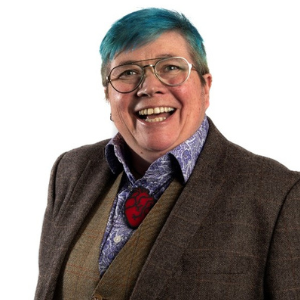
“I’ve faced quite a bit of workplace bullying around my gender and sexuality, and it has caused a lot of ‘short-term employment’. When I started at ThoughtWorks, I didn't expect stuff to change much. But as well as talking the talk on diversity and inclusion, they also walked the walk!
About 18 months in, I was misgendered by a client and I just shut down. But my team turned around and asked, “Are you okay? How can we support you?” By the end of it, I was just a wreck and had a breakdown – because I’d never been supported before. I had to tear down all the defensiveness and aggression that I’d built up over the years as coping mechanisms, and rebuild brand new ways of being me.
ThoughtWorks were wonderfully supportive in helping me get it right. They constantly saw the work that I was putting in on myself, gave me feedback all the time about how things were improving – it’s led to me being so relaxed.”
Dr J Harrison, Principal Consultant at ThoughtWorks
8. Inclusive workplaces give hope to isolated LGBTQ+ people
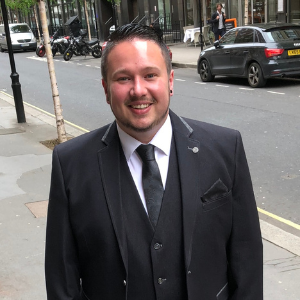
“In the part of the world that I live in, it's still very traditional. It’s not the norm to see same-sex couples walking down the street holding hands. The experiences I had as a young guy finding my identity were very poor. I really felt like my life wouldn't go anywhere. So, the fact that I found an employer that values me for me has just allowed me to grow.
The best thing about working in an inclusive workplace is that I feel as though I'm treated as an individual, and that my identity, my sexuality, or my point of view, is celebrated. When I joined, I had a preconception that to be successful, you needed to be a white straight man. But that isn’t the case at Santander.”
Tom, Community hub director at Santander
- A new report, Ace in the UK, by Stonewall and activist Yasmin Benoit uncovers for the first time the shocking experiences of healthcare, workplace and societal discrimination that ace people face in the UK and the need for better legal and policy protections
- The report reveals that ace people, an umbrella term used to describe people who experience little, fluctuating or no sexual attraction (including asexuality) are less likely to be open about their orientation to friends and family – with analysis of Government data showing that only one in four (26.1%) asexual people are open about their sexuality with friends
- The report highlights that ace people face hostile work and healthcare environments, with experiences ranging from sexual harassment, delays to vital healthcare, and intrusive questions about their sexuality from colleagues and healthcare professionals
- The report’s recommendations include ensuring that asexual people are protected under the Equality Act’s guidance and that ace people’s needs are included in wider LGBTQ+-specific training for healthcare providers.
A new report by Stonewall and Yasmin Benoit – two years in the making – explores in-depth the experiences of ace people when accessing healthcare and at work. Ace people make up between 1-2% of the general population but their experiences are not well understood by the general public. Ace in the UK reveals the alarming lack of understanding that they face throughout society – and the effect that has on their ability to go about their daily lives. The report highlights that, even within LGBTQ+ spaces, ace people are too often overlooked and their concerns ignored.
At work, half of ace people (49%) weren’t out to any colleagues, more than twice the rate of all LGBTQ+ respondents (18%).
And of those who were out, only one in six (17.6%) had a universally positive experience of being out – again half the rate of wider LGBTQ+ respondents (40.8%). With experiences of sexual harassment, disbelief and inappropriate curiosity from colleagues told through our focus groups and interviews, there is a clear need for action on workplace discrimination and harassment.
In healthcare settings, our analysis found that asexual people were around 50% more likely to have never told healthcare staff about their asexuality, with a quarter (24.3%) citing that they were afraid of a negative reaction, and 8.4% citing that they had had a bad experience in the past.
Indeed 18.1% of ace respondents said a disclosure had had a negative impact on their care. Issues in healthcare settings were principally in reproductive health, around smear tests, and inappropriately having their asexuality assessed as a mental health condition.
Amongst a range of recommendations, the report urges the World Health Organisation to end its classification of asexuality as a mental health condition, as it did for homosexuality and trans people, to include asexual people in the Statutory Guidance for the 2010 Equality Act, calls for increased training on supporting asexual people in healthcare settings, and a ban on conversion therapy to attempt to ‘cure’ ace people.
Robbie de Santos, Director of Communications and External Affairs at Stonewall, (he/him) said: ‘This report shines a long-overdue light on the barriers that ace people in the UK face. It’s vital that all LGBTQ+ people are allowed to go about their lives free from discrimination and prejudice. But – as our findings show – there are widespread societal misconceptions of what it means to be ace and how to best support ace people at work and in healthcare settings.
‘We hope that this important project will further people’s understanding of the very real challenges that ace people currently face and we urge political leaders to adopt our recommendations to better support ace people to get their basic needs met and thrive as themselves.’
Yasmin Benoit, Asexual Activist and Researcher, (she/her) said: "The ace community deserves legal recognition. We deserve protection. We deserve acceptance, and we deserve to be heard. With this report, I wanted to dig into the issues facing the ace community today and amplify the voices we never usually hear. This is a much-needed step in understanding what asexuality is, what asexual discrimination looks like and setting the ball in motion for actually doing something about it. It's time that the world paid attention. I'm grateful that I've had the chance to start this project with an accomplished organisation like Stonewall, and to use my platform and education to publish a report that is really going to make a difference."
Focus group participant describing their experience opening up about their asexuality:
‘I've tried to explain to someone that I am asexual, and they said ‘You know, there's something wrong with you. You probably need to pray about it’… I remember feeling inferior about [who I am].”
People perform better when they can be themselves, and if you’re looking to make sure that lesbian, gay, bi and trans (LGBT) people are fully included in your workplace, we’ve got some tips to help.
1. Ensure that your policies are fully inclusive of LGBT people
This includes pensions, family and leave policies, health insurance and relocation allowances. You should make sure your policies explicitly mention LGBT people.
2. Get people involved across your organisation
This could include setting up a network group specifically for LGBT employees; they’ll help you know where you’re doing well and which areas may need a new approach.
3. Reward those involved in your LGBT network group
Embed their involvement in their appraisals; make being part of the network a desirable thing to be.
4. Decide upon a clear strategy and tactics
Whether you want to increase the number of staff who are open about being LGBT, or revise your policies to make them fully inclusive, it’s crucial to know where you want to be and how you’re going to get there.
5. Engage staff members who don’t identify as LGBT
Allies, as we call them, are a crucial element of ensuring inclusion for all. They can help spread the message that diversity is celebrated by your organisation.
6. Ensure senior support
Making certain your senior leaders actively communicate their support for LGBT inclusion sends a positive message of acceptance for all across your organisation.
7. Speak to your staff
Consulting employees – both LGBT and non-LGBT – about what inclusion looks like in your organisation will help ensure your strategy is appropriate and that all staff share your vision.
8. Understand your staff
Getting to know the make-up of your staff through techniques such as monitoring will help ensure you effectively cater to any needs they may have.
9. Celebrate your successes
Making sure your organisation is LGBT-inclusive is an ongoing journey, so it’s important to celebrate your successes, whatever size they may be, along the way. Every step is a step towards acceptance without exception for LGBT people.
10. Become a Stonewall Diversity Champion
Diversity Champions is Britain’s leading programme for ensuring that your workplace is truly inclusive.
Find out more.
Only one in five bi people (20 per cent) are out to all their family compared to three in five gay men and lesbians (63 per cent)
Two in five bi people (42 per cent) hide or disguise their sexual orientation at work for fear of discrimination
Research gives insight into the unique experience of bi people
Stonewall, the UK’s leading charity for lesbian, gay, bi and trans equality, has released new research that shows bi people are significantly less likely to be out than gay men and lesbians, whether that’s at home, in education, at work, or as part of a faith community. The study also reveals the impact bi-erasure and biphobia has on health and well-being of bi communities.
Bi people are three times less likely than gay men and lesbians to be out to all of their family.
The report, based on YouGov polling of over 5,000 people, of whom 1,769 identified as bi, reveals that bi people are three times less likely than gay men and lesbians to be out to all of their family (20 per cent compared to 63 per cent). While one third of bi people (33 per cent) aren’t open about their sexual orientation with any of their family.
The research also found that while two in five gay and lesbian people (44 per cent) are out to everyone at their educational institution, only one in five bi people say the same (23 per cent). Meanwhile, two in five bi people (42 per cent) have hidden or disguised that they were bi at work for fear of discrimination.
Bi people are often a forgotten part of the LGBT acronym.
Bi people are often a forgotten part of the LGBT acronym and can face ‘’double discrimination’: not only do they face abuse from straight people, but also from lesbian and gay people.
As one respondent to Stonewall’s Bi Report said: ‘Being bisexual means finding yourself excluded by gay people and straight people in social settings. I only tell my friends about my sexuality, meaning it is hidden from my family and my work colleagues. Bisexuality is a hidden sexuality through people’s lack of acceptance.’ Kendra, 32 (Scotland)
Stonewall research further shows how experiences of biphobic discrimination and rejection from family and friends significantly increase the risk of poor mental health for bi people. Nearly three in five bi people (59 per cent) reported experienced depression, compared to just under half of gay and lesbian people (46 per cent). Meanwhile, over one in four bi people (26 per cent) reported self-harming compared to one in ten gay and lesbian people (11 per cent).
Nancy Kelley, Stonewall’s Chief Executive, said: ‘For the first time we have research specifically looking at what life is like for bi people in Britain. What we’ve found is that across the board biphobic stereotypes and prejudices are making life harder for bi people and, too often, their experiences of discrimination are either undermined or ignored altogether.
‘This stops bi people in our communities from feeling able to share really important parts of their lives with those around them, hurts their mental health and gets in the way of them accessing appropriate help and support when they need it.
‘We all need to learn more about the issues bi people face, and work harder to make sure they are welcome and supported in our schools, workplaces, and communities. It is down to all of us to tackle ignorance about bi identities, and to challenge the damaging bi-erasure and biphobia that bi people of all ages experience.
‘We want every LGBT person to thrive and be confident about who they are. Accepting bi people without exception is essential to creating a world where everyone, everywhere is free to be themselves.’
This year the acute discrimination Black people face has been brought to the forefront.
Black LGBT people have been severely affected by the global pandemic, as well as the trauma of systemic racism, homophobia, biphobia, and transphobia experienced by the entire community. Now more than ever, we need allies to step up and take action.
We know that many people have looked to find ways to support the Black community during this time of immense pain and uncertainty. Sometimes this allyship can be positive and other times it can be misguided. Allyship is not a single step, it is an ongoing journey. It takes work, self-reflection and making that conscious decision over and over to step up until it becomes embedded in how we behave.
This Black History Month, some of Stonewall’s Black LGBT staff have discussed the most effective ways to be an active ally to Black LGBT people.
1. Listen to us
The last year has provided some much needed opportunities for Black LGBT people to be heard in spaces where they have been traditionally silenced or overlooked.
It's so important that your first step as an ally is to listen to and believe us when we tell you what we’ve experienced. Trying to ‘explain away’ racism is harmful and makes you complicit in upholding a racist system. Listen even when it is difficult to hear. It’s a lot harder for Black LGBT people to be open about their experiences. No matter how well-intentioned you thought you were, understand and accept when you have made a mistake.
It is also important that you do not take one Black LGBT person’s story as the only story. This risks allies treating us as one homogenous group. In fact, the Black LGBT community has a vast array of identities and experiences that must be recognised.
2. Do not ask Black LGBT people something you can learn yourself
We need you to listen to us, but we do not always have to be the ones supporting your education. Repeatedly explaining the realities of racism, homophobia, biphobia, and transphobia by people who actually experience it, is exhausting.
This blog and the resources on our Black History Month hub are only the beginning of your journey. There are so many great anti-racism resources that you can read and begin to learn from and grow a greater understanding and empathy for the challenges Black LGBT people face. Make sure this reading takes an intersectional approach to our experiences and are written by Black people. We would encourage you to build on this learning through discussions with other allies, so you can learn from each other.
It’s not Black LGBT people’s responsibility to relive our trauma or justify our existence. Rather than place emotional labour on your Black LGBT friends, educate yourself.
3. Recognise and use your privilege
The reality is that society is set up to benefit some people more than others. When you benefit from a certain structure or environment, you have a privilege. White people, cis people and straight people are inherently advantaged in certain ways by how society is structured, despite their own efforts, income, or background.
Acknowledging your privilege does not mean you have not worked for what you have or experienced hardship. It simply means that you have not been discriminated against due to certain aspects of your identity.
Once you can acknowledge your privilege, no matter how uncomfortable it makes you, you can use it to centre and amplify the experiences of others who may not have been afforded the same advantages as you. This can be giving up a seat on a panel to someone with a particularly underrepresented identity, or using the fact that people listen to you in meetings to insist on input from marginalised communities. It is important to consider this in all areas of your life as this will look different for everyone.
4. Speak up
Once you have done your research, you need to use your platform to speak up about the experiences of Black LGBT people. It is not enough for Black people to call things out, we need allies to speak up too.
Use your platform to educate others. Make sure you do not use your platform to speak over Black LGBT people or take credit for their work. Rather than take up space, centre Black LGBT people in the conversation. Amplify Black voices by directly sharing information created by Black LGBT people.
Be careful not to be performative in your allyship. Do not just speak up when our experiences are ‘trending’, make sure to keep up the momentum.
5. Your allyship is not inclusive if it does not include Black trans people
The lives of Black trans people were painfully overlooked this year in the Black Lives Matter movement – and always have been. This fails to highlight the higher levels of discrimination and violence that Black trans people face compared to Black cis people.
Being an ally to Black LGBT people means understanding the experiences of Black trans people in how their oppression is compounded by being Black and trans, and speaking out against transphobia.
Where you are able, support fundraisers for Black trans people’s transistions and housing needs. Black trans people suffer disproportionately from unemployment, pushing many into poverty, precarious housing situations and limiting access to essential healthcare.
6. Call it what it is. Anti-blackness
It is important to understand that racism impacts different races in different ways. Anti-blackness is a specific kind of racial prejudice towards Black people. It is inherently rooted in colonialism, the legacy of slavery, and eugenics.
Racist attempts to 'rank' races in order of value or worthiness have consistently placed Black people at the bottom, leading to a normalisation of anti-black across many cultures. While non-black people of colour often experience racism, anti-blackness can still be rampant in those communities that have a history of perceiving themselves as superior to Black people.
By acknowledging that the experiences Black LGBT people face are anti-black, and that racial discrimination can disproportionately affect Black people, we can take a step towards dismantling white supremacy.
7. Use the right language
Terms such as BAME (Black, Asian and minority ethnic) and PoC (people of colour) offer a limited and simplified understanding of race, often holding white people as the norm, and maintaining a eurocentric view of the world. They can suggest a homogenised experience for all people who aren’t white, when this is a dangerous oversimplification of reality. Within these communities, colourism and misogynoir are common experiences, and it's important to acknowledge that there are varying experiences caused by differing levels of privilege across these communities. Acknowledging and discussing uniquely Black experiences as those specific to the community, allows us to understand the particular steps and actions we need to take to drive forward tangible change.
If you find yourself needing to describe an individual’s race or ethnicity, and you know that they describe themselves as Black, Latinx or Brown – to name but a few – always use those terms rather than contentious umbrella terms.
8. Showcase Black LGBT people
We cannot overstate the importance of seeing yourself in positions of power in areas like the workplace, media, and education. It is validating, inspiring, and proves that people who look like you can achieve success in those areas.
In your workplaces, consider making D&I targets that do not just cover BAME, but also Black people explicitly. Not only are you supporting Black LGBT people in employment, but having our perspectives in decision making rooms only benefits your projects and external outputs. In fact, Forbes found in 2017 that diverse teams make better decisions in the workplace 87% of the time. However, in your effort to include Black LGBT people, take care not to fall into tokenistic practices. For instance, do not recruit Black people to positions of power but retain the authority or simply use them to excuse your organisation’s own racist and discriminatory behaviour.
The importance of Black LGBT representation in the media is vital, but it is important to consider who is creating the content. So often stories about Black people and Black LGBT people are full of hurtful stereotypes and misconceptions where Black LGBT people are reduced to only parts of their identity. Consider the opportunities you have access to, which perhaps Black LGBT creators cannot access, and how you share them. If you can’t tell Black LGBT stories right, then let Black LGBT people tell them.
9. Create spaces that are inclusive of Black LGBT people
Too often Black LGBT people must access spaces, especially LGBT spaces that claim to be safe, that perpetuate anti-blackness. Challenge racism vocally and ensure that your spaces do not perpetuate barriers to inclusion for Black LGBT people. Think about the touchpoints and obstacles where you are. Do they prevent people from accessing that space?
10. Support Black-owned businesses and fundraisers
Many Black LGBT people are simply not afforded the same opportunities as white people, and can suffer numerous inequalities in areas of housing, employment, healthcare, and education to name a few.
By supporting Black-owned businesses as part of your day-to-day purchases, you can support the community and help to begin to bridge these gaps.
For a lot of Black businesses likely to be smaller with less access to funding, supporting them will not only better them financially but provide opportunities to employ more Black people, provide more access to specific services that Black people need, and uplift the community.
Today we set out a new chapter for Stonewall as we launch our 2021-5 Strategy: Free to Be.
It’s almost a year since I took up the role of Chief Executive here at Stonewall. I’ve had so many rich and powerful conversations with people from across the LGBTQ+ movement, both here in the UK and among our many global partners, about what matters to our communities, what change is desperately needed and how Stonewall can be a great activist and partner in the movement.
I’ve reflected a lot on what we need to do and be at Stonewall to fight for – and build support for – our communities.
At the heart of it, we at Stonewall believe that LGBTQ+ people have limitless potential, and we imagine a world where all LGBTQ+ people of all identities experience not only equal opportunities, but equitable outcomes. Where our governments, communities, faith institutions and families don’t merely allow us to exist, but actively shield us from harm and help us thrive.
To create the world we imagine, our new strategy focuses on three pillars: Freedom, Equity and Potential. And the only way that we can make real progress is by working in partnership across the movement, in the UK and globally.
Over the coming four years you can expect to see us can expect to see us working on:
Freedom
- A legally enforceable ban on conversion therapy
- Laws that help prevent hate crimes and support LGBTQ+ asylum claims
- Legal recognition for LGBTQ+ people and our relationships
Equity
- Accessible and high-quality healthcare for all LGBTQ+ people
- Strengthening relationships with faith communities and communities of colour
- Supporting and represent LGBTQ+ people across our lives
Potential
- Expanding our workplace and empowerment programmes
- Championing LGBTQ+ inclusion in sport and schools
- Supporting Pride in all its forms
You might also notice that we look and sound a bit different. The wonderful and very clever Revolt (a purpose consultancy) and activist agency and Jones Knowles Ritchie (a design-led creative company) have helped us build a strong and clear message about who we are and what we stand for, alongside a fresh and confident new look. We have moved away from ‘Acceptance without Exception’ which no longer feels like the right focus for us. Today we stand for the freedom, equity and potential of all LGBTQ+ people.
We are so grateful to Revolt and Jones Knowles Ritchie for their generous support. And we are so grateful to the photographer Ally Schmaling, who has allowed us to use their beautiful portraits of LGBTQ+ people. We hope you love their work as much as we do.
So, now you know about the world that we imagine at Stonewall, I want to ask: do we imagine the same world?
If you can imagine a world where there is freedom, equity and limitless potential for every LGBTQ+ person, we want you to stand with us.
Whether you’ve supported us since 1989; you’re just coming out; you want to be a champion for your LGBTQ+ friends, relatives or colleagues; you’re concerned by the rise of anti-LGBTQ+ hate groups; you’ve felt overlooked by us in the past; you want to step up as a role model or leader – we can’t create the world we imagine, the world our communities deserve, without you. Join us.
This year we’re celebrating 50 years of Pride in the UK. In this article, we’ll chart the major moments in LGBTQ+ history since the first Pride in 1972, and ask what still needs to change for LGBTQ+ people, today and in future.
2022 is a pivotal year for LGBTQ+ history in the UK. Fifty years after the first Pride in London, it’s time to reflect on everything our movement has achieved. At that first Pride in 1972, around 2,000 participants marched together, calling for gay rights. And throughout the 1970s, there were many other milestones – Gay News, Britain’s first newspaper, was founded. Switchboard, a London-based info and support helpline that still runs today, was established. The first trans conference was held in Leeds and the first gay and lesbian Trades Union Congress conference took place to discuss workplace rights. In a watershed moment, Maureen Colquhoun became Britain’s first openly lesbian MP.
In the 1980s, progress sped up rapidly as more LGBTQ+ people came out and demanded equal treatment. We saw the first Black Gay and Lesbian Group being formed, as well as the first bi group in the UK. Chris Smith became the first openly gay MP, and the Lesbian and Gays Support the Miners campaign was launched. But as well as increased visibility, the LGBTQ+ population in the UK faced a backlash. In 1988, Margaret Thatcher introduced Section 28, a piece of legislation which banned local authorities from ‘promoting homosexuality’ and effectively banned the discussion of LGBTQ+ issues in schools. More happily, in 1989, Stonewall was founded to fight back against Section 28.
The 1990s saw the World Health Organisation declassify same-sex attraction as a mental illness, and the age of consent for sexual relations between men lowered from 21 to 18. Trans youth charity Mermaids was founded, and two openly gay MPs are elected in the 1997 elections.
Under Tony Blair’s government in the 2000s, a raft of positive legislation was introduced. The UK Government lifted the ban on LGB people in the armed forces, the age of consent was lowered to 16, same-sex couples were granted equal rights when applying for adoption, and Section 28 was finally repealed across the UK. We also saw the Civil Partnership Act and the Gender Recognition Act introduced in 2004, granting same-sex couples the same rights as married couples, and allowing trans people to acquire new birth certificates. Finally, The Equality Act (Sexual Orientation) Regulations 2007 outlawed the discrimination in the provision of goods, facilities, services, education and public functions on the grounds of sexual orientation.
In the 2010s, the Equality Act added gender reassignment as a protected characteristic. We saw the introduction of same-sex marriage across the UK, and Ruth Davidson became the first openly gay leader of a political party in the UK. The ban on donating blood for gay and bi men was lifted, and the UK Government issued a posthumous pardon to all men convicted under sexual offences laws which criminalised people for being bi or gay. And we saw the first Trans Pride and Bi Pride events take place in the UK.
So it's fair to say we’ve come an incredibly long way since 1972. By 2019, London Pride saw 1.5 million people celebrate and protest in support of LGBTQ+ rights. But looking around us today, it’s clear that we still haven’t reached equality. Just this year, we saw online estate agency Purple Bricks remove a listing last month when the owners of a house in Surrey refused to allow two gay men to view their property. Luke Whitehouse was told by the owners that they could not sell the house to ‘two men in partnership […] as it is contrary to the gracious teaching in God’s Word’. While we know progress has been made, we still have to battle regressive attitudes across society.
More frighteningly, reports of anti-LGBTQ+ hate crime and violence continue to rise. Barely a month into this year, we saw coverage of the murder of Dr Gary Jenkins, who was killed in a park by attackers hurling homophobic abuse. The prosecution lawyer, employed to win justice for Gary, said in his opening statement that Gary’s ‘sexual predilections were to be his undoing… he rendered himself hopelessly vulnerable and an easy target’. The lawyer later apologised and Gary’s murderers will soon be jailed, but nevertheless, stereotypes about gay and bi men being promiscuous are still being used justify violence and blame the victims of horrific attacks. In 2022, we are still not safe in our own communities.
So, this year, we’re looking ahead to imagine what we want the world we want for LGBTQ+ people today, and in fifty years’ time. Right now, we’re campaigning for a full, legislative ban on conversion therapy in the UK, so that no more LGBTQ+ people are subject to this degrading practice. We’re also fighting for better treatment for LGBTQ+ refugees, who deserve not only safe passage but a warm welcome when they arrive in our country, and for equal access to IVF, so that LGBTQ+ people don’t need to break the bank to become parents.
What do you want to make a reality by Pride 100 in 2072? Let us know on Twitter by tagging @stonewalluk and using the hashtag #TakePride.
Too many LGBTQ+ people still have to hide who they are in the workplace. Our new campaign, Bring Yourself To Work, shows how LGBTQ+ people thrive when they’re free to be themselves.
Our workplace can have a huge impact on our life. Most of us rely on work for our financial livelihood, of course, but for many it means so much more. It’s where many of us spend most of our waking days. It’s where we build networks and friendships. And our career choices often form a very fundamental part of our sense of self.
There’s an old adage that your boss has a bigger impact on your health than your doctor. If you’re LGBTQ+, there’s a good chance you’ll see the truth behind this. Most of us have, at one point or another, endured the emotional struggle of having to hide who we are at work, or the turmoil of not knowing if we can access the same benefits and opportunities as our coworkers.
That’s why workplace inclusion matters. It's more than just a tick-box exercise or a negotiation of HR policy – workplace inclusion is about providing LGBTQ+ people with the same opportunities to thrive as anyone else. It’s about allowing them to unlock their full potential and to live their lives freely and openly.
But, unfortunately, this is far from the reality for too many LGBTQ+ people. Confronted with exclusionary policies, language, and attitudes, more than a third of LGBT staff hide who they are at work in fear of discrimination. Many feel isolated and are forced to withdraw from their colleagues because they’re scared of being ‘found out’ for who they really are.
Because of subtle anti-LGBTQ+ sentiment in some cases, and outright bigotry in others, many LGBTQ+ individuals find themselves caught in a work environment that is not only unsupportive, but also directly harmful. Our research shows that almost one in five LGBT staff (18%) have been the target of negative comments or conduct from work colleagues because they're LGBT. Moreover, one in eight trans people (12%) have been physically attacked by customers or colleagues in the last year because of being trans, and one in eight LGB people wouldn’t feel confident reporting homophobic or biphobic bullying to their employer.
Employers have long understood the benefits of true inclusion, rather than superficial representation, when it comes to morale, retention, and creativity. That’s why, for 18 years, workplaces across the UK have entered our Workplace Equality Index, and each year we report on the Top 100 most inclusive employers. This year's Top 100 list launched today.
LGBTQ+ inclusion makes the workplace safer and happier for everyone. Accepting workspaces allow a more different set of opinions to emerge, and harbour more innovative, caring, and thoughtful environments for all. In this way, the entire organisation can grow and innovate, and carry out more effective work.
And, of course, individual employees benefit. Inclusive work environments mean LGBTQ+ employees can talk openly about their lives and experiences without fear. They attract diverse employees to build a more understanding culture, ensuring everyone has the chance to shine. And inclusive HR policies give peace of mind to all employees, who know they can enjoy the same benefits as their colleagues.
That’s why this year, we’re putting employees centre-stage and asking them what it means to bring their whole self to work.
Speaking to Stonewall about their workplace, Bron (they/them) said, “I’m now more open with my identity at work than I am in everyday life – it might sound weird, but I do find that it’s more of a safe space. There's so much procedure in place at work where I know that I'm going to be supported. Being a part of this network has made me a lot more confident in myself. And while there are still spaces where I’m not 100% out, I feel I’m a lot more myself on a day-to-day basis.”
So, how do you bring yourself to work? Let us know using the hashtag #BeingLGBTQAtWork.
Find out how you can fundraise for LGBTQ+ equality at work.
Whether you’re LGBTQ+ or an ally, whether you head up your organisation or you’re in an entry-level role, everybody should feel able to make their workplace a little more inclusive.
Here, we’ll share five top tips for kickstarting LGBTQ+ inclusion at your organisation, no matter its shape or size.
Workplaces should be inclusive for every employee. For LGBTQ+ people, that means more than simply being protected from discrimination while at work – it’s about the ability to be fully themselves. It means not needing to omit information when talking about their relationships and living situations, not having to formulate excuses if they need transition-related medical leave, being able to take advantage of the same family leave policies as their non-LGBTQ+ counterparts without having a tricky conversation first.
You might want all of this to be the case in your own organisation, but know that it’s not quite there yet. So, what can you do to help? We’ve gathered some great tips from our Workplace team on how to take your first steps towards LGBTQ+ inclusion. Whether you take on one or all of them, with these pointers you’ll start to improve the lives of LGBTQ+ employees in concrete ways. And if you really end up on a roll, implementing some of these changes will set you in good stead for entering Stonewall’s Workplace Equality Index, where you can win Bronze, Silver and Gold awards to recognise your inclusion efforts.
1. Improve your policies.
Policies might not be the first thing you think of when it comes to making LGBTQ+ people happier at work, but they’re crucial to creating a truly inclusive environment.
As a starter, ensure you have policies that include explicit bans on discrimination, bullying and harassment based on sexual orientation, gender identity and gender expression. Take it one step further by introducing a transitioning at work policy. This will work best if it includes guidance for employees who are transitioning, and for managers and HR supporting a transitioning employee.
2. Let prospective LGBTQ+ employees know they’ll be accepted at work.
One of the best ways of doing this is to write a strong statement about how your organisation values diversity, making sure to explicitly mention LGBTQ+ people. If you ensure that statement is visible across your job packs and recruitment pages, you’re sure to attract a wider range of applications.
3. Keep inclusion high on the agenda when training new staff.
When new employees are being inducted, make sure they receive an explicit message about your organisation’s commitment to LGBTQ+ inclusion. Take this one step further by providing training to all staff about your discrimination, bullying and harassment policies, and how they help create a supportive atmosphere for everyone.
4. Diversify your internal comms.
Once staff have been inducted and trained, they’ll understand that your organisation is committed to creating a supportive environment for everyone. But keep these messages going for all employees – new or not. You can do this by celebrating awareness days, highlighting information about LGBTQ+ identities and experiences, or platforming LGBTQ+ trailblazers in your sector.
5. Set up an employee network group.
Creating a dedicated space for LGBTQ+ colleagues from across the business to connect and share peer support can make an enormous difference to the experiences of your LGBTQ+ staff. We’ve created a whole range of free resources to help you get started with establishing a network.